You Won’t Believe What I Saw in Fukuoka
Fukuoka isn’t just another stop on the Japan circuit—it’s a sensory surprise waiting to unfold. I went expecting ramen and shopping, but left stunned by views that blended city energy with nature’s calm. From hilltop lookouts to riverfront moments, the viewing experiences here are quietly extraordinary. This is discovery at its most authentic, where every glance reveals something unexpected.
Arrival with a View: First Impressions from Hakata Station
Stepping out of Hakata Station, Fukuoka’s primary transit gateway, one is immediately met with a skyline that feels both modern and refreshingly open. Unlike the dense, towering walls of Tokyo or Osaka, Fukuoka’s architecture unfolds with breathing room—glass-fronted towers rise beside tree-lined avenues, framed distantly by rolling green hills and the shimmering arc of Hakata Bay. The city does not overwhelm; it welcomes. As travelers emerge from the underground passages, the visual transition from subterranean hustle to expansive sky is deliberate and calming. This first impression is not accidental. Urban planners in Fukuoka have long prioritized sightlines, ensuring that even at ground level, the natural landscape remains visible and integrated into daily life.
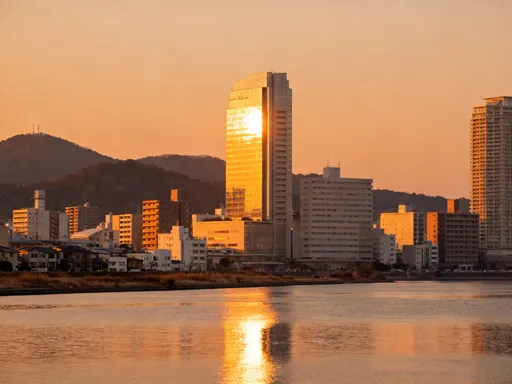
The golden hour transforms this arrival experience into something poetic. As the sun dips below the western hills, the city begins to glow—not with the blinding neon of Shinjuku, but with a softer, warmer light that dances across glass facades and reflects off the bay. Streetlamps flicker on in unison, and the distant silhouette of the Tenjin district emerges like a constellation. For visitors, this moment does more than offer a photo opportunity; it sets a tone. It signals that Fukuoka is a place where efficiency and beauty coexist, where transit hubs double as vantage points, and where the journey begins with a sense of spaciousness rare in major cities.
What makes this arrival so impactful is its accessibility. There are no tickets, no elevators to a sky deck—just the simple act of stepping outside. This democratic view, available to every traveler regardless of budget or itinerary, speaks to Fukuoka’s ethos: beauty should not be reserved. Whether you’re arriving for a weekend getaway or a three-month stay, the city offers its vistas freely, inviting you to pause, look up, and take it in. It’s a quiet declaration that travel is not only about destinations, but about moments of presence.
Up Above: The Hidden Observation Deck at ACROS Fukuoka
Nestled within a government office complex in the heart of Tenjin, ACROS Fukuoka is a masterpiece of architectural harmony between nature and urban design. At first glance, it appears as a conventional high-rise, but a closer look reveals a stepped facade covered in lush greenery—a terraced rooftop garden that climbs 14 levels into the sky. Few tourists find their way here, yet those who do are rewarded with one of Japan’s most serene panoramic views. The climb itself is part of the experience: a quiet, upward journey through bamboo groves, flowering shrubs, and the soft murmur of wind through leaves, all within the city’s busiest district.
Reaching the top, the city unfolds in every direction. To the north, Hakata Bay glimmers under changing skies; to the south, the urban grid stretches toward distant mountains. On clear days, the outline of Kyushu’s interior is visible, a reminder of how close Fukuoka remains to rural landscapes. What sets this view apart from commercial observatories like Tokyo’s Skytree or Osaka’s Umeda Sky Building is its atmosphere. There are no crowds, no admission fees, no gift shops. Instead, there is stillness. Visitors sit on stone benches, read books, or simply gaze outward, immersed in a moment of urban solitude.
The view from ACROS changes dramatically with the weather. On overcast mornings, the city is softened, wrapped in a blanket of mist that blurs the line between sky and sea. During summer rains, the glass towers reflect rippling light like watercolors. In winter, when the air is crisp and visibility sharp, the entire bay appears crystalline. This dynamic quality makes the rooftop a place worth revisiting across seasons. Moreover, the integration of green space into a civic building reflects Fukuoka’s long-standing commitment to sustainability—a philosophy that enhances the viewing experience by grounding it in purpose. This is not just a place to see the city; it is a place to understand its values.
Riverfront Reverie: Night Views Along the Naka River
As daylight fades, the Naka River becomes Fukuoka’s living canvas. Flowing through the center of the city, this narrow waterway is flanked by walking paths, cherry trees, and traditional wooden bridges that glow with subtle lighting. In spring, the riverbanks erupt in pale pink blossoms, their reflections trembling on the water’s surface like scattered petals. In autumn, golden ginkgo leaves drift down, catching the light of paper lanterns strung above the promenade. The riverside is not a static exhibit; it is a rhythm of seasonal change, a quiet pulse that mirrors the city’s deeper connection to nature.
Walking along the Naka River at night is an exercise in slow observation. Unlike the bustling energy of Dotonbori in Osaka or Shibuya’s scramble, this is a place designed for lingering. Couples stroll hand in hand, families pause on benches, and solitary travelers stop to watch the reflections of neon signs ripple in the current. The lighting is intentional—soft, warm, and never overwhelming. Restaurants with outdoor seating spill gentle light onto the water, while the occasional passing boat adds a slow-moving streak of illumination. It is urban beauty at human scale.
Seasonal events elevate the experience without disrupting its tranquility. During the Fukuoka River Festival in summer, floating lanterns drift downstream, each carrying handwritten wishes. In winter, the “Illumination Road” event lines the banks with thousands of LED lights, creating a tunnel of gentle radiance. Yet even during these times, the atmosphere remains peaceful. There are no loudspeakers, no crowds pressing forward—just a shared appreciation for light and water. For visitors, the best moments come when no event is scheduled: a quiet Tuesday evening, the air cool, the city lights mirrored perfectly in still water. These are the views that stay with you—not because they are grand, but because they feel real.
Mountain Moments: The Short Hike to Shingū Park Lookout
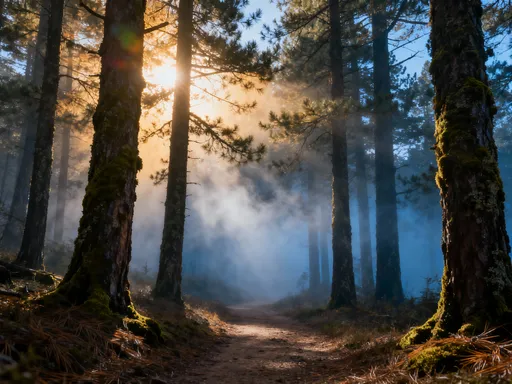
Just 30 minutes by local train from central Fukuoka lies Shingū Park, a hidden gem perched on a forested hillside in the town of Dazaifu. While many tourists flock to the nearby Dazaifu Tenmangū Shrine, few continue up the winding path to the park’s observation deck. Those who do are rewarded with one of the most breathtaking city panoramas in Kyushu. The hike is short—less than 20 minutes—but steep in parts, winding through moss-covered trees and the occasional call of wild birds. Near the summit, the trail opens suddenly, revealing a sweeping vista of Fukuoka spread out below, framed by the sea and distant mountains.
The view from Shingū Park is unobstructed and utterly serene. On clear days, the curvature of Hakata Bay is visible, with boats tracing slow paths across the water. The city’s skyline appears compact and orderly, a contrast to the wild beauty of the surrounding forest. What makes this lookout exceptional is its authenticity. Unlike Fukuoka Tower, which sits in a busy park and draws crowds, Shingū Park remains quiet, visited mostly by locals and hikers. There are no vendors, no fences blocking the view, no timed entries. Just a simple wooden railing and a sense of discovery.
Visitors may also encounter small groups of wild sika deer, which occasionally wander near the trail’s edge. These gentle animals, common in Japan’s forested areas, add to the feeling of being on the edge of wilderness, even though the city is within view. The best times to visit are early morning or late afternoon, when the light is soft and the air crisp. Spring brings fresh greenery, while autumn paints the hills in warm reds and golds. With no entry fee and easy access via the Nishitetsu train line, Shingū Park offers a rare combination: adventure, beauty, and solitude, all within a short journey from the city center.
Seaside Perspectives: Momochi Seaside Park and the Tower of Heaven
On Fukuoka’s western edge, Momochi Seaside Park offers a different kind of vista—one where the city meets the ocean in a harmonious blend of recreation and art. This expansive beachfront park stretches along the coastline, featuring wide promenades, open lawns, and unobstructed views of the sea. At its heart stands the Tower of Heaven, a striking mirrored structure designed by artist Tetsuo Harada. The sculpture’s polished surface reflects the sky and waves in ever-changing patterns, creating a surreal visual dialogue between land, sea, and sky.
The park is a favorite among locals, especially on weekends, when families gather for picnics and children fly kites on the beach. Yet even during busy times, space is abundant. Unlike crowded urban beaches in other countries, Momochi feels open and uncrowded, with long stretches of sand and clear sightlines. The view from the promenade is particularly powerful at sunset, when the sun dips below the horizon and the Tower of Heaven glows with fiery hues. Photographers line up to capture the reflection, but even casual observers pause, drawn to the quiet magic of light on metal and water.
What makes this seaside escape remarkable is its accessibility. It is only a short bus ride from Tenjin, yet feels worlds away. The park is well-maintained, with clean restrooms, shaded seating, and bicycle rentals, making it ideal for a half-day outing. In spring and summer, the beach is open for swimming, while in autumn and winter, it becomes a place for long walks and contemplation. The Tower of Heaven, though man-made, enhances rather than disrupts the natural beauty, serving as a mirror to the environment rather than a monument to it. Here, the city’s skyline appears in the distance, softened by sea mist—a reminder that Fukuoka’s greatest views often lie at the edges, where land and water meet.
Skyline & Soul: Why Fukuoka’s Views Feel Different
Fukuoka’s visual appeal is not merely a matter of aesthetics; it is rooted in geography, urban design, and cultural attitude. Unlike Tokyo, where skyscrapers dominate and nature feels distant, or Osaka, where the city sprawls in all directions, Fukuoka is naturally contained. Bounded by the sea to the north, mountains to the east and south, and the Chikugo River to the west, the city exists within a clear frame. This natural enclosure creates a sense of intimacy, allowing views to feel curated rather than chaotic.
Moreover, Fukuoka’s compact size means that nature is never far away. A ten-minute walk from the center can lead to a riverbank, a park, or a hilltop with sweeping vistas. This proximity reduces the mental fatigue often associated with urban travel. Studies in environmental psychology suggest that access to open views and natural elements can lower stress and improve mood—effects that many visitors report without realizing the science behind them. In Fukuoka, these benefits are built into the city’s fabric.
There is also a cultural humility in how the city presents itself. Unlike destinations that spotlight their landmarks with grand entrances and ticketed access, Fukuoka’s best views are often unmarked, unguarded, and free. They appear in the corner of your eye as you cross a bridge, or as you turn a street corner. This lack of spectacle makes the experience more personal. You are not a spectator; you are a participant in the city’s daily rhythm. The result is a deeper, more lasting impression—one that lingers not as a memory of a photo, but as a feeling of connection.
Chasing Light: Best Times and Tools for View Hunting
To fully appreciate Fukuoka’s visual richness, timing is essential. The golden hour—roughly one hour after sunrise and before sunset—offers the most magical lighting. In summer, this means arriving at riverfront or seaside spots by 6:30 p.m.; in winter, by 5:00 p.m. Clear days are ideal, but partly cloudy skies can create dramatic effects, with sunlight breaking through in rays that highlight the city’s contours. Checking weather apps like Weather Japan or Windy for cloud cover and visibility can help plan the perfect viewing window.
For those aiming to layer multiple viewpoints into a single day, public transit is efficient and affordable. The Nishitetsu train line connects central Fukuoka to Dazaifu and Shingū Park, while city buses and the subway provide access to Momochi and the Naka River. A Fukuoka City Pass, available at major stations, offers unlimited rides and discounts at select attractions, making exploration both economical and flexible.
Local favorites for quiet viewing include the rooftop of the Fukuoka Prefectural Government Building, which offers a free 360-degree panorama, and the path along Heiwadai Park, where the iconic Fukuoka Tower stands against a backdrop of greenery. These spots are less crowded than commercial observatories and provide a more authentic sense of place. For photographers, a polarizing filter can enhance sky contrast, while a wide-angle lens captures the sweep of bay and city in a single frame.
The ultimate goal is not to check viewpoints off a list, but to move through the city with awareness. Let the views find you. Pause at a bridge. Sit by the water. Climb a quiet hill. In Fukuoka, beauty is not confined to postcards—it is woven into the streets, the seasons, and the rhythm of daily life. By chasing light, you are not just seeing the city; you are learning to see like a local.
Fukuoka’s true magic lies in its unguarded moments of beauty—views that appear without fanfare, yet linger long after you leave. These aren’t staged for photos; they’re part of daily life. By chasing them, you don’t just see the city—you understand its rhythm. The best discoveries aren’t found on maps, but in the quiet act of looking.