You Won’t Believe What I Found in N’Djamena
N’Djamena, Chad—honestly, I didn’t know what to expect. But diving into its markets and local crafts? Mind-blowing. This city hides incredible specialty products most travelers never hear about. From handwoven textiles to desert-sourced natural goods, I discovered authentic treasures that tell real stories. If you're craving something truly off the beaten path, you gotta check this out. What I found wasn’t just beautiful—it was meaningful. Each item carried the weight of tradition, the pride of craftsmanship, and the warmth of people eager to share their world. In a place often overlooked on the global map, I uncovered a vibrant culture expressed through art, nature, and daily life. This is not just shopping—it’s connection.
First Impressions of N’Djamena – A City That Surprises
Stepping off the plane in N’Djamena, the heat wraps around you like a thick blanket, and the air carries a faint scent of dust and woodsmoke. The city unfolds in wide, sunbaked avenues lined with modest buildings painted in faded blues, yellows, and ochres. Along the banks of the Chari River, life moves at a gentle pace—children play near the water’s edge, fishermen mend their nets, and women balance baskets on their heads as they walk home from market. It’s not the typical tourist hub, but that’s exactly what makes it special. There’s an authenticity here, untouched by mass tourism, where every interaction feels genuine and every sight feels earned.
Many travelers hesitate to visit Chad due to misconceptions about safety and accessibility. While it’s true that N’Djamena isn’t a destination for carefree backpacking, it’s far from the danger zone some imagine. With proper planning, registered guides, and awareness of local customs, visitors can experience the city safely. The government has made strides in improving infrastructure and welcoming responsible tourism. What’s more, the people of N’Djamena are deeply hospitable. A simple smile or greeting in Arabic or French often opens doors to conversations, invitations, and experiences you won’t find in any guidebook.
What struck me most was how eager locals were to share their lives. In one neighborhood, a shopkeeper invited me to sit and drink sweet mint tea, explaining the origins of the spices he sells. Another day, a group of women weaving baskets paused their work to demonstrate the technique, laughing as I struggled to mimic their precise hand movements. These moments weren’t staged for tourists—they were everyday life, generously shared. That warmth is what transforms a simple visit into a lasting memory, and it’s the foundation for discovering the city’s true treasures.
Why Specialty Products Define N’Djamena’s Identity
The unique goods found in N’Djamena aren’t just souvenirs—they’re expressions of identity, shaped by centuries of tradition, climate, and cross-cultural exchange. Nestled in the Sahel region, where the Sahara meets the savannah, Chad’s environment is both harsh and rich in resources. This duality has given rise to a culture of resilience and creativity, where necessity fuels innovation. The specialty products here are born from what the land provides and what the people have mastered over generations. They reflect a deep connection to nature, community, and history.
Geography plays a crucial role. Surrounded by arid plains and seasonal rivers, N’Djamena has long been a trading crossroads between Central Africa, West Africa, and the Arab world. Caravans once brought salt, cloth, and spices across the desert, and today’s markets still echo that legacy. Local artisans blend influences from Arab, African, and French cultures, creating items that are both functional and symbolic. A handwoven textile might carry geometric patterns passed down from ancestors, while a leather pouch could feature tooling inspired by trans-Saharan traders.
Supporting these artisans isn’t just about buying beautiful objects—it’s about preserving a way of life. Many craftspeople work in cooperatives or family-run workshops, relying on fair trade and ethical tourism to sustain their livelihoods. When travelers choose to purchase directly from makers, they help keep traditions alive and empower communities economically. This kind of mindful consumption transforms a simple transaction into an act of cultural respect and solidarity. In a world of mass production, N’Djamena’s specialty products remind us of the value of human touch and storytelling through craft.
Must-See Markets for Authentic Finds
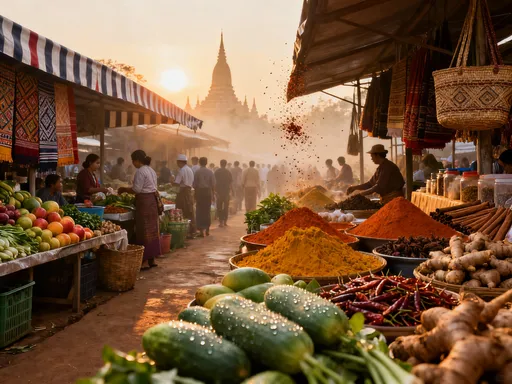
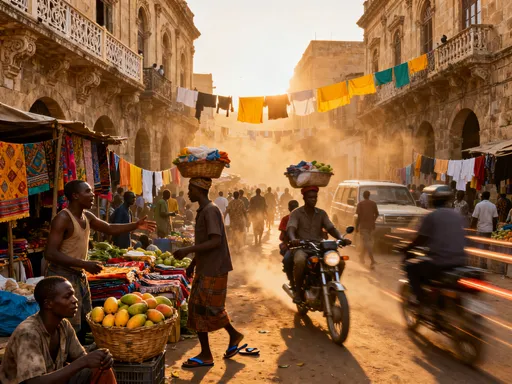
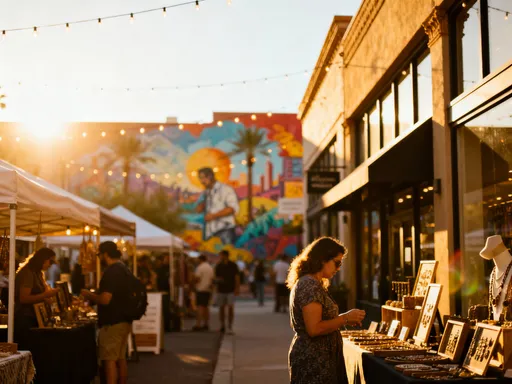
No visit to N’Djamena is complete without exploring its bustling markets, the beating heart of the city’s cultural and economic life. The Grand Market, also known locally as Marché Central, is the largest and most vibrant. Stretching across several blocks, it’s a labyrinth of stalls overflowing with spices, textiles, pottery, jewelry, and food. The air hums with chatter, the scent of grilled meat, and the rhythmic clinking of metalworkers shaping pots. Unlike the sanitized souvenir shops of tourist hotspots, this market feels alive—real, raw, and deeply connected to daily life.
What sets N’Djamena’s markets apart is their authenticity. Here, you won’t find mass-produced trinkets made for export. Instead, everything serves a purpose—whether it’s a hand-stitched leather sandal for walking dusty streets or a brightly dyed bazin fabric for a wedding celebration. Vendors are often the producers themselves or work closely with artisans from nearby villages. This direct link ensures quality and fairness, allowing buyers to meet the people behind the products and learn their stories firsthand.
Navigating the market can be overwhelming at first, but a few tips make the experience smoother. Go early in the morning to avoid the midday heat and crowds. Wear comfortable shoes and carry a reusable bag—plastic bags are discouraged in many areas as part of environmental efforts. Bargaining is expected but should be done respectfully. Start by asking the price, then offer slightly less, always with a smile. Most importantly, take your time. Sit with a vendor, ask questions, and let the conversation unfold. That’s often when the best finds appear—hidden beneath a cloth or pulled from a back room, reserved for those who show genuine interest.
Handcrafted Textiles: Woven Stories from Chad
Among the most striking treasures in N’Djamena are its handcrafted textiles, particularly the renowned bazin fabric. Richly dyed and tightly woven, bazin is more than clothing—it’s a symbol of pride, celebration, and identity. Traditionally worn during weddings, religious festivals, and important family gatherings, these fabrics come in deep indigo, emerald green, ruby red, and gold, often with intricate embroidered patterns along the edges. Each piece is labor-intensive, requiring days of work to complete, and the craftsmanship is passed down from mother to daughter through generations.
The process begins with plain cotton cloth, which is then dyed using natural or high-quality synthetic dyes. Artisans use a technique called resist dyeing, where parts of the fabric are treated to prevent color absorption, creating beautiful contrasts and patterns. Some weavers incorporate symbolic motifs—diamonds for fertility, zigzags for water, or stars for guidance—each carrying cultural meaning. In neighborhoods like Goudiop and Cité Soleil, small workshops hum with activity as women sit at wooden looms or hand-stitch embellishments under shaded awnings.
Finding authentic bazin requires attention to detail. Factory-made imitations are increasingly common, especially in tourist areas outside Chad. Real bazin feels heavy and smooth, with a slight sheen and consistent color. The embroidery is done by hand, so slight variations are normal and actually a sign of authenticity. To ensure you’re buying the real thing, visit local cooperatives or ask to see the artisan at work. Many women’s groups, such as the Association des Artisanes du Tchad, sell directly to visitors and can explain the significance of each design. Owning a piece isn’t just about fashion—it’s about carrying a story woven with patience, skill, and cultural pride.
Natural Treasures: Shea Butter, Gum Arabic, and Desert Botanicals
Beyond textiles, N’Djamena offers a wealth of natural products harvested from Chad’s diverse ecosystems. Among the most valuable is shea butter, a creamy, golden fat extracted from the nuts of the shea tree, which grows across the savannah regions. For centuries, women in rural communities have collected and processed shea nuts using traditional methods—boiling, pounding, and churning by hand. The result is a rich, unrefined butter used for cooking, skincare, and medicinal purposes. It’s deeply moisturizing, anti-inflammatory, and free from the chemicals found in many commercial products.
What makes Chad’s shea butter special is its purity and the ethical networks behind it. Many cooperatives, such as the Union des Coopératives Féminines du Tchad, ensure that women receive fair wages and work in safe conditions. These groups also invest in community development, funding schools and health clinics. When travelers buy shea butter directly from such cooperatives, they support sustainable livelihoods and environmental conservation, as shea trees are protected rather than cut down for fuel.
Another globally significant product is gum arabic, a natural resin tapped from acacia trees in northern and eastern Chad. Used in food, pharmaceuticals, and cosmetics as an emulsifier and stabilizer, it’s a key ingredient in everything from soft drinks to watercolor paints. Chad is one of the world’s top producers, and the harvest is done sustainably—small incisions are made in the bark, allowing the sap to dry into golden droplets. This low-impact method supports desert ecosystems while providing income for nomadic and semi-nomadic communities. By choosing products made with ethically sourced gum arabic, consumers contribute to a responsible supply chain that values both people and planet.
Ceramics, Leatherwork, and Artisanal Crafts
The craftsmanship in N’Djamena extends to a wide range of handmade goods, each reflecting the ingenuity of local artisans. Pottery, for example, is created using locally sourced clay shaped by hand and fired in open pits. The resulting vessels—bowls, jugs, and cooking pots—are both functional and beautiful, often decorated with incised patterns or natural pigments. These pieces are used daily in homes for storing water, cooking meals, or serving tea. Their durability and simplicity speak to a deep understanding of material and purpose, honed over centuries of use in a demanding climate.
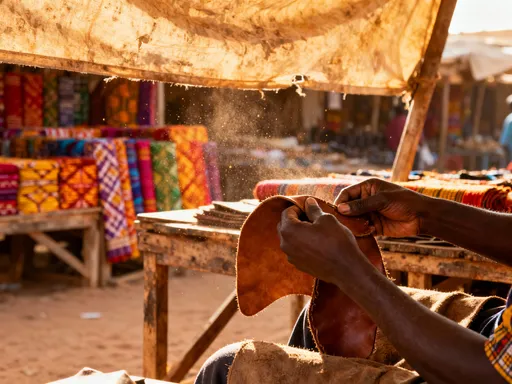
Leatherwork is another standout craft, with skilled artisans transforming raw hides into elegant bags, sandals, belts, and cushions. Using tools passed down through generations, they cut, stamp, and hand-stitch each item with precision. Designs often include geometric motifs or tribal symbols, and the leather is tanned using natural methods involving plant extracts and smoke. Unlike factory-made leather goods, these pieces age gracefully, developing a rich patina over time. Many artisans now blend traditional techniques with modern styles, creating pieces that are both culturally rooted and practical for contemporary life.
Other artisanal crafts include woven baskets made from grasses and reeds, wooden carvings depicting animals and ancestral figures, and beaded jewelry crafted by Fulani and Arab women. Each item tells a story—of the materials gathered from the land, the hands that shaped them, and the culture that inspired their design. These are not decorative afterthoughts; they are essential parts of daily life, made to last and meant to be used. When travelers bring these items home, they carry more than souvenirs—they carry pieces of a living tradition.
How to Shop Responsibly and Bring Meaning Home
Shopping in N’Djamena offers a rare opportunity to connect with culture in a meaningful way, but it comes with responsibility. The goal isn’t just to acquire beautiful objects—it’s to do so in a way that respects the people who made them. Ethical shopping means paying fair prices, understanding the value of craftsmanship, and avoiding exploitation. It also means being mindful of cultural appropriation—wearing or using items in a way that honors their origin rather than reducing them to exotic fashion statements.
To ensure authenticity, ask questions. Who made this? How long did it take? What does the pattern mean? Artisans are usually proud to share their knowledge, and their answers can deepen your appreciation. Look for signs of handmade work—slight imperfections, natural variations in color or texture, and stitching that shows individual effort. Avoid items that look too perfect or uniform, as they may be mass-produced elsewhere and falsely labeled as local.
When bargaining, do so with kindness and respect. Remember that a small amount to you may represent a day’s wages for a vendor. Aim for a fair price that reflects the time, skill, and materials involved. Whenever possible, buy directly from cooperatives or artisan groups, where profits go straight to the makers. Consider purchasing from women’s collectives, which often reinvest earnings into education and healthcare for their communities. By making conscious choices, travelers become allies in preserving culture and supporting sustainable development.
Conclusion: More Than Souvenirs – A Connection to Place
My time in N’Djamena taught me that travel is not just about seeing new places—it’s about connecting with people, understanding their lives, and carrying a piece of their world with you. The specialty products I found were more than beautiful objects; they were bridges to stories, traditions, and human resilience. Each fabric, jar of shea butter, and hand-tooled bag represented hours of labor, generations of knowledge, and a deep love for culture. They reminded me that the most meaningful souvenirs aren’t bought—they’re earned through presence, respect, and curiosity.
N’Djamena is not a destination for those seeking luxury resorts or curated experiences. It’s for travelers who value authenticity, who are willing to step beyond comfort zones and embrace the unexpected. It’s a place where a simple market visit can turn into a conversation with a weaver, where a purchase becomes a partnership, and where a journey transforms into a deeper understanding of our shared humanity. By supporting local artisans and choosing mindful travel, we don’t just take something home—we give something back. And in doing so, we help preserve the soul of places like N’Djamena, one thoughtful choice at a time.