Whistler’s Commercial Heart: What Tourists Never See Coming
You know that buzzing excitement when you step into Whistler Village? The towering peaks, the alpine charm, the endless shops and cafes—it feels like paradise. But here’s what no brochure tells you: the very things that make Whistler magical can also drain your wallet and patience. I went expecting ski bliss and found myself lost in overpriced boutiques and crowded sidewalks. This is real—what the polished postcards don’t show. Behind the picture-perfect façade lies a commercial ecosystem designed for mass appeal, where convenience comes at a cost and authenticity sometimes takes a backseat. This is the untold story of Whistler’s beating commercial heart, and how to experience it without losing yourself in the spectacle.
The Allure of Whistler Village – More Than Just a Ski Resort
Whistler Village stands as one of North America’s most iconic mountain destinations, drawing over two million visitors annually with its carefully crafted blend of natural grandeur and cosmopolitan flair. Nestled between the snow-capped slopes of Whistler and Blackcomb Mountains, the village is a masterclass in alpine urban planning. Timber-framed buildings with steep gabled roofs evoke a rustic European charm, while wide pedestrian promenades invite leisurely strolls regardless of the season. What began as a modest ski resort in the 1960s has evolved into a year-round destination where outdoor adventure meets curated luxury.
The village was designed from the ground up to be walkable, car-free, and visually immersive. Every cobblestone, lantern, and storefront contributes to an atmosphere of elevated escapism. In winter, the scent of pine mingles with the aroma of roasted chestnuts from sidewalk vendors. In summer, flower baskets spill over with color, and street performers add rhythm to the mountain air. Events like the World Ski and Snowboard Festival or the Summer Concert Series transform the central plaza into a global stage, drawing crowds eager for high-energy celebration.
What sets Whistler apart is its seamless integration of nature and commerce. Gondolas ascend directly from the village core, offering panoramic views within minutes of stepping outside your hotel. Shops sell premium outdoor gear with floor-to-ceiling windows framing the very terrain where those products will be tested. Restaurants boast locally sourced menus while showcasing alpine vistas through glass walls. This intentional design—where the environment is both backdrop and product—creates a powerful emotional pull. Visitors don’t just come to ski or hike; they come to live, however briefly, inside a dreamlike mountain narrative.
Yet this narrative is carefully managed. The village operates under a unified business improvement association that enforces strict aesthetic guidelines, ensuring visual harmony but also limiting deviation from the established brand. While this contributes to Whistler’s polished reputation, it also means that originality is often sacrificed for consistency. The result is a place that feels welcoming and familiar, but rarely surprising. For many travelers, especially first-timers, this predictability is part of the appeal—a safe, beautiful, and effortlessly enjoyable destination. But for those seeking deeper connection or local character, the commercial polish can feel more like a barrier than an invitation.
Overcrowding in the Commercial Zone – When Charm Turns to Chaos
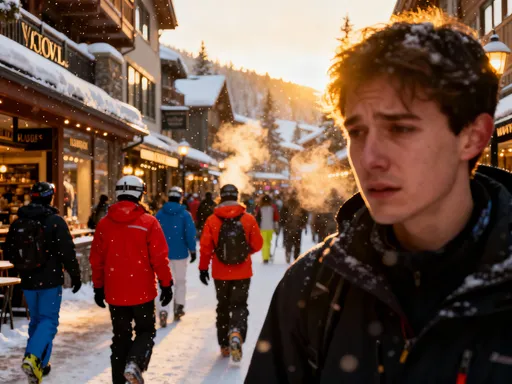
During peak seasons, the very elements that make Whistler Village enchanting can quickly become overwhelming. December through February and July through August see the highest influx of visitors, turning the compact 60-acre pedestrian zone into a bustling thoroughfare. On busy days, sidewalks become bottlenecks, particularly along the main stretch from the Whistler Gondola to the Roundhouse Lodge. Families with strollers, skiers in bulky gear, and tour groups following color-coded flags move at different paces, creating a slow-motion shuffle that tests even the most patient traveler.
The congestion isn’t limited to foot traffic. Parking lots fill by mid-morning, and shuttle buses from nearby towns like Squamish and Vancouver add to the logistical strain. Rental car drop-off zones become temporary gridlocks, and even the bike valet near the Adventure Centre can reach capacity by noon. This crowding affects not only mobility but also the overall sense of tranquility that draws people to mountain destinations in the first place. The soundscape shifts from birdsong and wind to a constant hum of chatter, music, and clinking cutlery from outdoor patios.
Popular cafes such as Purebread or Moss Wood Grill often have lines stretching out the door, with wait times exceeding 30 minutes during lunch hours. Even grabbing a coffee at a major chain can mean joining a queue that snakes through the shop. Restaurants with prime views or celebrity chef affiliations require reservations weeks in advance, leaving spontaneous dining choices limited to fast-casual options or food trucks. For day visitors arriving without a plan, the experience can feel more like navigating a theme park than exploring a mountain community.
The compact design that enhances walkability also amplifies the effects of overcrowding. With limited alternative routes and few quiet corners to escape, the sense of enclosure can become oppressive. While the village’s layout encourages discovery, it also concentrates activity into a small footprint, making it difficult to find solitude even just a few steps from the main drag. This is particularly noticeable during holiday periods like Christmas week or Spring Break, when occupancy rates at hotels and vacation rentals exceed 90 percent. The combination of high demand and constrained space means that the charm of alpine intimacy can easily give way to the fatigue of urban density.
Yet it’s important to recognize that this level of visitation is not accidental. Whistler’s economy relies heavily on tourism, and peak-season crowds are a sign of success. The challenge lies in balancing accessibility with comfort. For visitors, understanding these patterns in advance can make a significant difference. Arriving early in the morning, when the village is still quiet and dusted with fresh snow, or exploring in the evening after most day-trippers have left, can restore a sense of calm. These quieter moments reveal a different side of Whistler—one where the mountain air feels crisp, the architecture glows in the low light, and the experience returns to something more personal and reflective.
The Price Trap – Why Everything Feels Just a Little Too Expensive
One of the most consistent feedback points from visitors is the cost of living—albeit temporarily—in Whistler Village. A simple latte can cost upwards of $7 at a high-traffic café, and a family meal at a mid-tier restaurant often exceeds $150 before drinks or gratuity. While premium pricing is expected in a world-renowned destination, the gap between Whistler and nearby communities can be startling. For example, the same grocery items purchased at Nesters Market in the village may cost 20 to 30 percent more than at a comparable store in Pemberton, just 35 minutes away by car.
This pricing structure stems from several interrelated factors. First, real estate within the village is among the most expensive in British Columbia, driving up rent for retailers and restaurateurs. These costs are inevitably passed on to consumers. Second, the seasonal nature of tourism creates a compressed revenue window—businesses must generate most of their annual income during just a few peak months, leading to higher per-transaction pricing. Third, the captive audience effect plays a role: with limited alternatives inside the pedestrian zone, vendors face less competitive pressure to lower prices.
Rental services illustrate this dynamic clearly. Ski and snowboard equipment rentals for a single day can range from $80 to $120 per person, depending on quality and brand. While this includes convenience—shops are located steps from the lifts—it also reflects a premium for location. Similarly, parking fees in underground lots can reach $25 per day, and overnight valet ski storage runs upwards of $20 per set of gear. Even small conveniences, like charging stations or luggage lockers, come with added fees that accumulate quickly over a multi-day stay.
Dining markups are equally notable. A burger and fries at a well-known gastropub may cost $28, with craft beer priced at $12 per pint. While the ingredients are often locally sourced and the presentation polished, the price reflects more than just quality—it reflects positioning. Restaurants with unobstructed mountain views or rooftop terraces command higher menu prices, not solely because of food costs, but because of the experience they sell. This is not unique to Whistler, but the concentration of such establishments within a small area intensifies the financial impact on visitors.
For families or budget-conscious travelers, these expenses can add up fast. A week-long trip can easily see hundreds of dollars spent on meals, rentals, and incidental costs that might be half as much elsewhere. Awareness of this pricing reality is the first step toward financial control. Smart travelers plan meals in advance, bring snacks and refillable water bottles, and consider grocery shopping outside the village core. Some opt to prepare simple meals in their accommodations, especially in vacation rentals with kitchen facilities. Others prioritize one or two splurge experiences—like a fine dining dinner or guided tour—while keeping other days more modest. By making intentional choices, visitors can enjoy Whistler’s offerings without feeling financially drained.
Authenticity vs. Performance – Is Whistler Still Genuine?
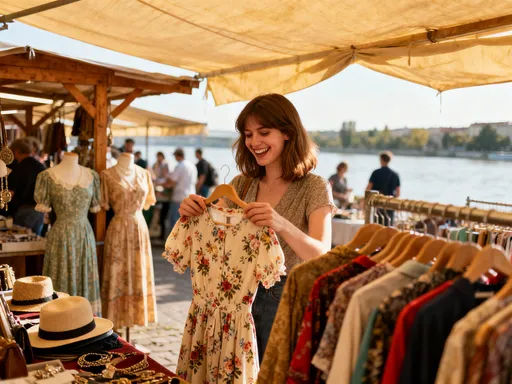
As Whistler has grown into a global brand, questions about authenticity have become increasingly relevant. The village presents itself as a mountain community rooted in outdoor culture, yet much of what visitors encounter feels designed for consumption rather than connection. Chain stores, international luxury brands, and seasonal pop-up shops dominate the retail landscape. Stores selling high-end fashion, designer sunglasses, or imported chocolates cater to affluent tourists rather than local residents. Even souvenir shops often feature mass-produced items with generic alpine themes, lacking the craftsmanship or regional specificity that might reflect true Pacific Northwest heritage.
This commercialization extends to the culinary scene. While there are restaurants highlighting Indigenous ingredients or sustainable seafood, many establishments rely on familiar, safe menus aimed at international palates. The emphasis on ambiance and branding sometimes overshadows culinary innovation or local tradition. A diner might enjoy a perfectly executed pasta dish, but it could just as easily be served in Aspen or Zermatt. The sense of place—what food writers call terroir—can feel diluted in such settings.
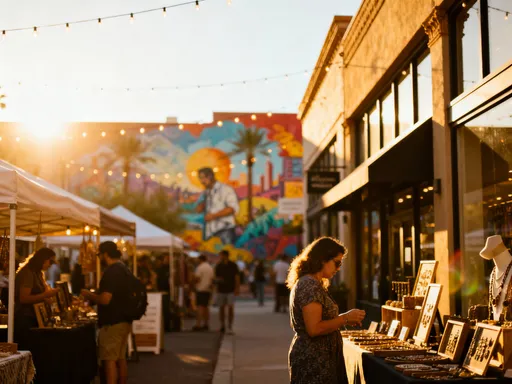
Yet authenticity still exists in pockets. The Whistler Farmers Market, held weekly from May through October, features local growers, artisans, and food producers. Stalls offer handmade soaps, organic honey, and fresh berries grown in the Pemberton Valley. Conversations with vendors reveal personal stories and deep ties to the region. Similarly, small galleries like the Audain Art Museum or the Myrtle Philip Community Centre exhibit works by local and Indigenous artists, providing cultural depth often absent from the main commercial strip.
Family-run businesses, though fewer in number, remain vital. A decades-old bakery using traditional recipes, a fly-fishing shop staffed by lifelong anglers, or a bookstore with curated selections on mountain history—all contribute to a more grounded sense of place. These establishments don’t always occupy the most visible storefronts, but they offer something the chains cannot: a human touch, a local voice, a connection to continuity. For visitors willing to look beyond the glittering façade, these spaces provide meaningful encounters that transcend transactional tourism.
The tension between performance and authenticity is not unique to Whistler, but it is particularly visible here due to the scale and intensity of commercial development. The village must serve both tourists and residents, balancing economic vitality with cultural integrity. While it leans heavily toward the former, it has not entirely lost the latter. The key for visitors is discernment—seeking out experiences that feel lived-in rather than staged, and supporting businesses that reflect real community roots. In doing so, tourism becomes not just consumption, but participation.
Hidden Alternatives – Escaping the Main Drag Without Missing Out
For those seeking relief from the crowds and costs of the central village, several nearby areas offer a more relaxed and authentic experience. Function Junction, located just a five-minute drive or 15-minute bike ride south of the main plaza, is an emerging hub for local life. Once an industrial zone, it now houses craft breweries, auto shops converted into design studios, and independent eateries like the famous Peaked Pies, known for its Australian-style meat pies. The atmosphere is unpolished and welcoming, with street art and community bulletin boards adding character.
Nesters Market, while part of the village corporation, operates with a more neighborhood feel. Its grocery section offers competitive pricing compared to boutique shops, and the in-store deli provides hearty sandwiches and fresh salads at reasonable rates. Early morning visits reveal locals stocking up for weekend hikes or après-ski gatherings, offering a glimpse into everyday mountain life. The store also stocks regional products, from British Columbia wines to small-batch preserves, making it a good spot for edible souvenirs.
Cultural enrichment is available at the Audain Art Museum, a short uphill walk from the main promenade. The museum’s permanent collection includes historic First Nations masks, Emily Carr paintings, and contemporary works by Canadian artists. Unlike commercial galleries, it prioritizes education and preservation, offering quiet contemplation amid striking architecture. Admission is modest, and guided tours provide context that deepens appreciation. Visiting here allows travelers to engage with the region’s artistic and cultural legacy beyond the souvenir shop.
For outdoor access without the lift-line crowds, the Lost Lake Park trail network offers serene forest walks, mountain biking routes, and picnic areas. Connected to the village by dedicated pathways, it’s easily reachable on foot or by bike. Early risers might spot deer grazing in the meadows or hear the call of loons from the lake. These spaces remind visitors that Whistler’s true magic lies not in its shops or restaurants, but in its natural surroundings.
Timing also plays a crucial role in accessing these quieter experiences. Arriving before 9 a.m. or lingering after 7 p.m. can transform the village itself. Sidewalks clear, restaurants have available tables, and the mountains glow in soft light. Weekdays during shoulder seasons—like April or October—offer the best balance of accessibility and tranquility. By shifting routines slightly, travelers can enjoy Whistler’s energy without being overwhelmed by it.
Smart Strategies for Navigating Whistler’s Commercial Scene
Enjoying Whistler without falling into the traps of overcrowding and overspending requires preparation and intentionality. One of the most effective tools is the Whistler Transit app, which provides real-time updates on shuttle schedules, parking availability, and trail conditions. Using public transit from nearby towns eliminates parking fees and reduces stress, especially during peak arrival times. The free village shuttle loops every 15 minutes, making it easy to move between zones without renting a car.
Dining smartly begins with reservations. For popular restaurants, booking two to three weeks in advance is advisable, particularly for weekend evenings. Alternatively, choosing off-peak hours—like early dinner at 5 p.m. or late lunch after 2 p.m.—can secure a table without a wait. Many establishments offer prix-fixe menus or early-bird specials that provide better value. Packing snacks, sandwiches, or refillable water bottles also reduces reliance on overpriced convenience options.
Accommodation choices significantly impact both budget and experience. Staying just outside the pedestrian core—such as in the Summit Lodge area or along Alta Lake—can offer lower rates, more space, and easier parking. Many of these properties still provide shuttle service or are within walking distance of key attractions. Vacation rentals with kitchen facilities allow for self-catering, which can cut food costs in half over the course of a week.
Visiting during shoulder seasons—late spring or early fall—offers fewer crowds, milder weather, and lower prices across lodging, dining, and activities. These periods also showcase Whistler’s versatility beyond skiing, with wildflowers in bloom, hiking trails accessible, and festivals less crowded. Travelers who prioritize experience over spectacle often find these times more rewarding.
Finally, setting a daily spending limit and tracking expenses can prevent budget creep. Using cash envelopes for categories like dining or shopping creates psychological boundaries that cards often blur. By treating Whistler not as a place to indulge without restraint, but as a destination to engage with mindfully, visitors gain greater control and deeper satisfaction.
Reimagining the Whistler Experience – Beyond the Hype
Whistler is not broken—it is simply misunderstood. Its commercial heart beats loudly, but that doesn’t mean it lacks soul. The village’s success lies in its ability to welcome millions with consistency, safety, and beauty. Yet true appreciation comes not from passive observation, but from active engagement. By looking beyond the brochures and stepping off the main path, travelers can uncover a richer, more balanced experience.
The goal is not to reject Whistler’s commercial aspects, but to navigate them with awareness. Enjoy the gondola ride, savor the café croissant, browse the boutique windows—but do so with eyes open to the bigger picture. Seek out the farmer at the market, the artist in the gallery, the local laughing at a pub trivia night. These moments, small and unscripted, are where connection happens.
Tourism, at its best, is a two-way exchange. When visitors bring curiosity, respect, and intention, they contribute to a healthier, more sustainable destination. Whistler does not need to be perfect to be wonderful. It needs only to be seen clearly—its flaws acknowledged, its strengths celebrated, and its possibilities explored with care. In doing so, the journey becomes not just about where you go, but how you travel. And that, ultimately, is the most meaningful adventure of all.