You Won’t Believe What Düsseldorf’s Food Scene Just Did to Me
I never thought a city known for fashion and art could wreck me in the best way—through its food. In Düsseldorf, every bite tells a story, blending bold Rhineland flavors with global influences. From sizzling currywurst at a corner stand to a Michelin-starred twist on Altbier cuisine, this city doesn’t just feed you—it speaks to you. It’s not just about taste; it’s about tradition, rhythm, and real moments. Let me take you where the forks drop and the culture rises.
First Bite, Lasting Impression
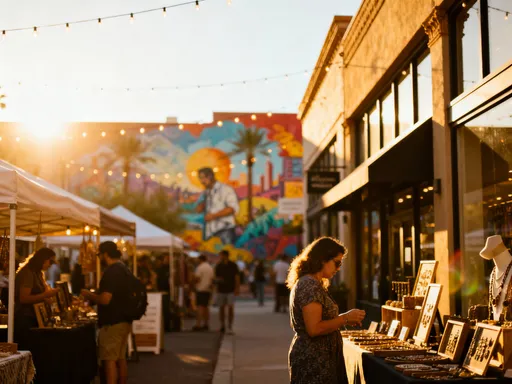
Stepping off the train at Düsseldorf Hauptbahnhof, the crisp autumn air carried a scent that cut through the urban hum—warm yeast, butter, and something earthy and sharp. Following the aroma, I turned down a cobblestone lane toward a morning market in the Stadtmitte district. There, beneath a striped awning, a vendor handed me a freshly baked pretzel, its surface golden and dusted with coarse salt. Inside, the dough was soft and steaming. He spread a thick layer of Obatzda, a rich cheese spread made from aged Camembert, butter, and paprika, its orange hue vibrant against the pale bread. The first bite was revelatory: the crunch of the crust giving way to tender dough, the tang of cheese cutting through the richness. Around me, locals nodded in approval, sipping coffee from paper cups, their conversations a rhythmic backdrop of rolling Rs and clipped syllables.
This moment, simple as it was, underscored a truth often overlooked by travelers: food is the most immediate gateway to culture. Unlike museums or monuments, which require context, a meal asks only that you taste, chew, and feel. In Düsseldorf, where formality meets warmth, this first bite set the tone. The city doesn’t perform its heritage—it lives it, one meal at a time. The pretzel, a staple across Germany, takes on new meaning here, where craftsmanship is honored and ingredients are treated with reverence. It’s not just sustenance; it’s a statement of identity. The Rhineland has long prized balance—between richness and acidity, tradition and innovation—and this single snack embodied that philosophy.
For visitors, especially those accustomed to fast-paced tourism, slowing down to savor such moments can be transformative. It shifts the focus from checking off landmarks to experiencing life as locals do. The market, bustling yet unhurried, became a microcosm of Düsseldorf’s soul: efficient, elegant, and deeply human. By engaging the senses first, the city bypasses the intellect and speaks directly to memory. Years from now, I may forget the name of the street or the time of day, but I will remember how that pretzel tasted—how it made me feel welcomed, curious, and fully present.
Düsseldorf’s Culinary Heart: The Altstadt and Its Beer Culture
No exploration of Düsseldorf’s food culture is complete without a journey into the Altstadt, the historic Old Town that pulses with energy day and night. Known affectionately as “the longest bar in the world,” this compact district is lined with traditional breweries and Altbier pubs, each with its own character and loyal following. Among the most revered is Uerige, a family-run establishment that has been serving its signature copper-colored Altbier since 1862. Stepping inside feels like entering a living archive—the wooden beams darkened by time, the walls lined with steins bearing the names of regulars, the air thick with the scent of malt and hops.
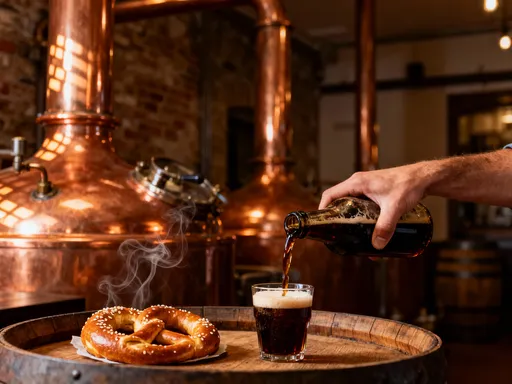
Altbier, meaning “old beer,” is a top-fermented ale that distinguishes Düsseldorf from the lager-dominated beer culture of southern Germany. Its flavor is complex—malty with a gentle bitterness, smooth yet assertive. Brewed in copper kettles using methods passed down for generations, it is served in narrow 0.2-liter glasses called *Stangen*, delivered in wooden trays holding five or ten at a time. The ritual is precise: the beer must be poured quickly to maintain carbonation, and it is always served fresh, never stored for long. At Zum Schlüssel, another historic brewery, I watched as the server—known locally as a *Köbes*—moved effortlessly through the crowded room, balancing trays with one hand, refilling glasses without missing a beat. These servers are more than staff; they are custodians of tradition, often working for decades in the same pub.
What makes these spaces so special is not just the beer, but the atmosphere they foster. Unlike impersonal bars, Altbier houses are community hubs where generations gather—retirees debating politics, students celebrating exams, families sharing a late lunch. There is no pretense, no pressure to order fancy food. The focus is on conversation, connection, and continuity. To sit at a shared wooden table, clinking glasses with strangers who quickly become companions, is to experience a rare form of urban belonging. This culture is not accidental; it is carefully preserved. Local brewers, supported by civic pride and municipal recognition, resist mass production and franchising. Protecting Altbier is not merely about maintaining a beverage—it is about safeguarding a way of life, one where craftsmanship, ritual, and human connection are valued above efficiency and profit.
Beyond Sausage: The Surprising Global Flavors
While Altbier and hearty German fare define Düsseldorf’s culinary reputation, the city’s true richness lies in its global influences. As a cosmopolitan hub with a long history of international business and immigration, Düsseldorf has absorbed flavors from around the world, weaving them into its daily rhythm. Nowhere is this more evident than in the area known as “Little Tokyo,” centered around Oststraße and Ratinger Straße. Home to one of Europe’s largest Japanese communities, this neighborhood offers an authentic slice of Tokyo life—from delicate ramen bars to specialty grocers stocking miso paste and yuzu kosho.
One evening, I followed the steam rising from a narrow storefront to find a ramen bar where a chef in a white apron pulled noodles by hand. The tonkotsu broth, simmered for over 12 hours, was milky and deeply savory, layered with slices of chashu pork, a soft-boiled egg, and nori. Every element had been crafted with care, reflecting a philosophy of precision and respect for ingredients that mirrors Rhineland values. Nearby, a bakery offered matcha-filled croissants, a quiet fusion that felt natural rather than forced. This blending of traditions is not about erasing identity, but expanding it—a testament to Düsseldorf’s openness and adaptability.
Along the Rhine promenade, Turkish grills and döner stands add another dimension to the city’s palate. One family-run spot, tucked between a bookstore and a flower shop, serves döner made with house-baked flatbread and a secret spice blend passed down through generations. The meat, slow-roasted on a vertical spit, is shaved thin and served with fresh herbs, onions, and a tangy yogurt sauce. Locals line up at lunchtime, office workers and retirees alike, united by a shared appreciation for bold, honest flavors. These culinary contributions are not novelties; they are integral to Düsseldorf’s identity. Immigration has not diluted local culture—it has deepened it, introducing new techniques, ingredients, and perspectives that enrich the city’s gastronomic landscape.
Markets That Tell Stories: From Flingern to Carlsplatz
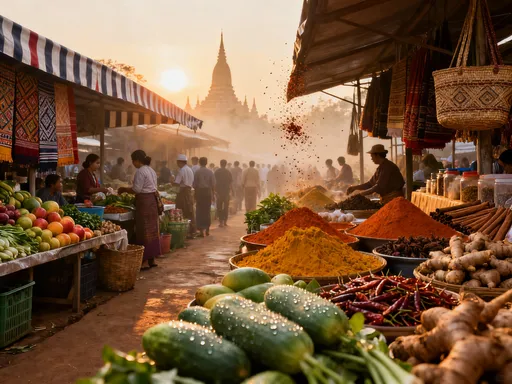
To understand how Düsseldorf eats, one must visit its neighborhood markets—living spaces where food, community, and tradition intersect. Carlsplatz, locally known as “Carlsplatz Markt,” is the city’s largest and most vibrant, open six days a week along the banks of the Rhine. Here, under long rows of green awnings, vendors display seasonal produce with pride: plump heirloom tomatoes, crisp kohlrabi, bunches of fresh dill, and wheels of aged Gouda. Unlike sterile supermarkets, this market pulses with energy—the call of vendors, the rustle of paper bags, the scent of roasting chestnuts in winter.
What sets Carlsplatz apart is its authenticity. Many vendors are farmers or artisans who travel from nearby towns in the Lower Rhine region, bringing goods that reflect the land’s bounty. A cheese maker from Kevelaer offers smoked butterkäse, while a baker from Meerbusch sells rye loaves with caraway seeds, their crusts crackling when tapped. Transactions are personal—customers haggle gently, ask for recommendations, and sometimes leave with an extra apple or a sample of homemade chutney. This rhythm of exchange resists the impersonality of modern retail, fostering trust and continuity. For residents, especially women managing households, these markets are not just shopping destinations but social anchors—places to catch up with neighbors, share recipes, and pass down knowledge.
Further east, in the Flingern district, a smaller weekly market caters to a younger, diverse crowd. Here, organic vegetables sit beside Middle Eastern spices, and vegan pastries share space with traditional *Quarkbällchen*—fried dough balls dusted with sugar. The vibe is relaxed, inclusive, and forward-thinking, yet deeply rooted in practicality. These markets, though different in tone, share a common mission: to sustain food authenticity in a city that values both innovation and tradition. By supporting local producers and seasonal eating, they embody slow food principles long before the term became fashionable. For visitors, a morning spent browsing stalls offers more than ingredients—it offers insight into how Düsseldorf nourishes itself, one honest meal at a time.
Fine Dining with a Local Soul
Düsseldorf’s culinary excellence extends beyond street food and markets to its fine dining scene, where chefs honor regional ingredients with creativity and precision. Among the most celebrated is Im Schiffchen, a Michelin-starred restaurant nestled in a quiet corner of the Altstadt. Housed in a 17th-century building that once served as a toll collector’s office, the space blends historic charm with understated elegance. The tasting menu, built around Rhineland terroir, transforms humble ingredients into art.
One course that remains etched in memory: roasted venison from the nearby Eifel forest, served with a juniper foam, braised red cabbage, and a reduction of Altbier and blackberry. The meat, tender and deeply flavored, spoke of misty forests and autumn hunts. The foam, light yet aromatic, elevated without overpowering. Another dish—duck breast with pickled rhubarb, caramelized shallots, and a potato terrine—balanced richness with acidity, tradition with surprise. Each plate was a dialogue between past and present, where technique served story rather than spectacle.
What distinguishes restaurants like Im Schiffchen and Bastard, another innovative eatery reinterpreting Altbier cuisine, is their refusal to chase trends. While fusion dining elsewhere often feels forced—slapping soy sauce on schnitzel or calling spaetzle “German ramen”—these chefs approach their work with reverence. They study old cookbooks, consult with grandmothers, and forage for wild herbs. The result is luxury with a conscience, where every element has purpose and provenance. For diners, especially those seeking depth over dazzle, these meals offer a rare satisfaction: the sense of being nourished not just physically, but culturally. In a world of fleeting culinary fads, Düsseldorf’s fine dining stands as a quiet rebuke—a reminder that true innovation grows from roots, not trends.
Cooking Like a Local: Hands-On Culture
Perhaps the most profound way to understand a city’s food culture is not by eating in restaurants, but by cooking alongside its people. During my stay, I joined a small cooking class hosted by a Düsseldorf resident named Ingrid, a retired schoolteacher who opens her kitchen to travelers twice a month. In her sunlit apartment near Hofgarten, we prepared Himmel un Ääd—a traditional Rhineland dish translating to “Heaven and Earth.” The name comes from the combination of apples (“heaven”) and potatoes (“earth”), served with blood sausage known as *Flönz*.
As we peeled and sliced, Ingrid shared stories—how her grandmother made this dish during hard winters, how the apples must be tart, not sweet, and how the potatoes should be mashed with butter, not milk, for the right texture. Her kitchen was filled with laughter, the occasional broken English phrase, and the comforting sizzle of onions browning in a cast-iron pan. When we sat down to eat, the meal felt deeply personal. The apples, caramelized with a touch of cinnamon, contrasted with the earthy sausage, while the creamy potatoes grounded the plate. Every bite carried the weight of memory and the warmth of shared effort.
This experience highlighted a crucial truth: participation deepens understanding far more than observation. Watching a chef cook is informative, but cooking together builds connection. In that kitchen, we weren’t tourist and guide—we were companions, united by hunger and curiosity. For women who often carry the role of family nourisher, this act of cooking holds special resonance. It is not just about feeding others, but about preserving heritage, expressing care, and creating moments of togetherness. Düsseldorf, with its emphasis on home cooking and seasonal ingredients, offers a model of mindful eating that transcends trends. By inviting visitors into these intimate spaces, the city extends not just hospitality, but belonging.
Why This Matters: Food as Living Heritage
Düsseldorf’s cuisine is more than a collection of recipes—it is a living archive of history, resilience, and adaptation. Every dish tells a story: of Rhineland farmers harvesting rye, of Japanese expatriates opening ramen shops, of Turkish families perfecting döner recipes over decades. What makes this city remarkable is not how it preserves the past, but how it allows the past to evolve. Tradition here is not a museum piece; it is a conversation, constantly reshaped by new voices and influences.
This approach has broader implications. In an age of homogenized global food chains, Düsseldorf demonstrates that authenticity and innovation are not opposites—they are allies. By valuing seasonality, supporting local producers, and honoring craftsmanship, the city embodies sustainable food values long before they became mainstream. Its markets resist commercialization, its breweries reject mass production, and its restaurants prioritize provenance over profit. For travelers, especially those seeking meaningful experiences, this offers a powerful alternative to superficial tourism.
On a personal level, eating in Düsseldorf changed how I see travel. It shifted my focus from collecting sights to savoring moments—from rushing to belonging. When I bit into that first pretzel, I didn’t just taste bread and cheese; I tasted care, history, and pride. That meal, and the many that followed, reminded me that food is not just fuel. It is memory. It is identity. It is connection. And in a world that often feels fragmented, such connections are more valuable than ever.
Düsseldorf doesn’t hand you a menu—it hands you a key to its soul. Every meal is an invitation to belong, even if just for one Altbier and a slice of warm pumpernickel. When we eat with intention, we don’t just travel—we connect. So next time you land here, skip the guidebook for a moment. Follow the smell of roasting meat, the clink of glasses, the laughter from a back-table booth. Let the city feed you, and you’ll leave not just full, but changed.