You Won’t Believe What I Found in Zurich’s Underground Food Scene
Zurich isn’t just banks and watches—trust me, I was just as surprised. Behind its polished streets hides a food culture bursting with secrets: tiny bakeries no tourist knows, family-run spots serving Alpine flavors unchanged for generations, and markets where locals queue before sunrise. I stumbled on flavors I never expected—smoked alpine cheese, rye bread baked in wood ovens, honey from city rooftops. This is real Swiss taste, far from the postcard clichés. Let me take you where guidebooks don’t.
The Myth of Zurich: Beyond Chocolate and Clocks
Zurich is often portrayed as a city of precision, wealth, and quiet order—famed for its financial institutions, luxury boutiques, and famously punctual trains. To many, it appears too polished, too proper, too expensive to offer any culinary surprises. The image of chocolate boxes and cuckoo clocks dominates the postcard vision of Switzerland, and Zurich, as its largest city, bears the weight of that stereotype. But beneath this well-groomed surface lies a food culture that is alive, intimate, and deeply rooted in tradition. This hidden world is not advertised with flashy signs or Instagrammable facades. It thrives in unassuming corners, known only to those who take the time to look beyond the obvious.
The contrast between perception and reality is striking. While tourists flock to polished restaurants in the Old Town, locals are gathering at neighborhood markets, queuing outside family bakeries, and sharing meals in modest, family-run eateries where the menu hasn’t changed in decades. These places don’t cater to trends or viral fame. They exist to feed communities, preserve heritage, and honor the seasons. The food here is not about spectacle—it’s about substance. It reflects a culture that values quality over quantity, patience over speed, and connection over convenience.
What makes this underground scene so special is its authenticity. These culinary treasures are not curated for visitors. They are part of daily life, passed down through generations, shaped by the rhythms of the Alps, the seasons, and Swiss-German traditions. To discover them is to see Zurich not as a showcase, but as a living, breathing city with deep roots and quiet pride. The real story of Zurich’s food isn’t in its five-star hotels—it’s in the steam rising from a pot of Rösti at a market stall, in the scent of sourdough bread at dawn, in the quiet exchange between a vendor and a regular customer who’s been coming for thirty years.
Hunting Hidden Markets: Where Locals Eat First
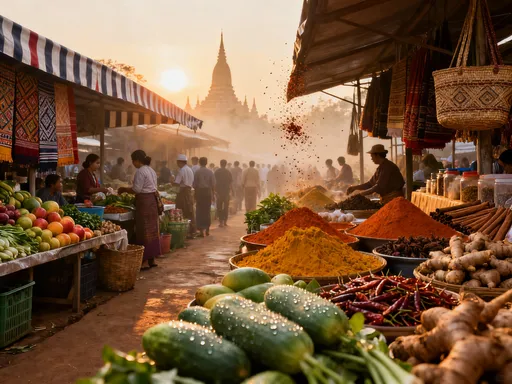
If you want to taste the soul of Zurich, start at its markets—but not the ones in the guidebooks. While Bahnhofstrasse draws crowds with its luxury shops, the true food heartbeat of the city pulses in places like the Bürkliplatz Farmers Market and the Voranlage Market. These are not tourist attractions; they are essential stops in the weekly rhythm of local life. Long before noon, wooden stalls overflow with seasonal produce: crisp white radishes in spring, deep purple plums in summer, knobby pumpkins and golden beets in autumn. The air carries the earthy scent of mushrooms, fresh herbs, and just-picked greens.
What sets these markets apart is their commitment to regional sourcing and artisanal quality. Vendors are not just sellers—they are stewards of tradition. A cheesemaker from the Emmental region might bring wheels of raw milk cheese, aged in mountain cellars and hand-turned every week. A beekeeper from the outskirts of the city sells honey harvested from hives on urban rooftops, its flavor reflecting the wildflowers that grow along the Limmat River. These are not mass-produced goods. Each item tells a story of land, labor, and care.
The early morning hours are when the magic happens. Locals arrive with cloth bags and well-worn baskets, moving from stall to stall with practiced ease. They know which farmer grows the sweetest carrots, which vendor has the creamiest Quark, and where to find the rare Bergkäse—a smoked mountain cheese with a nutty depth that lingers on the palate. There’s a quiet rhythm to these exchanges, a language of nods and familiar greetings. For visitors willing to observe and participate respectfully, these markets offer a rare window into Swiss daily life.
One of the most rewarding finds is the seasonal specialties that appear without fanfare. In late summer, you might spot jars of homemade Apfelkompott—stewed apples spiced with cinnamon and cloves. In winter, vendors sell dried meats, pickled vegetables, and bundles of herbs used in traditional Alpine cooking. These ingredients are not exotic—they are essential. They reflect a food culture built on preservation, seasonality, and resourcefulness. To shop here is to embrace a slower, more intentional way of eating—one that values freshness, locality, and the wisdom of generations.
Secret Bakeries and Wood-Fired Ovens
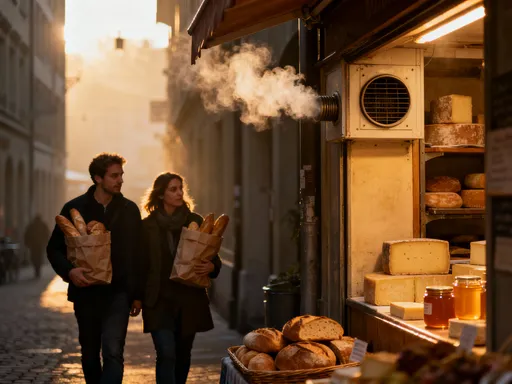
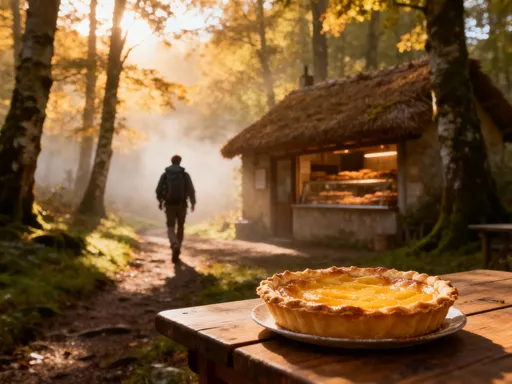
Some of Zurich’s most cherished flavors come from bakeries so small they don’t appear on maps. Tucked into quiet residential streets, often with no English signage and hours that follow the rhythm of dough rather than customer demand, these family-run ovens are the quiet guardians of Swiss baking tradition. You won’t find them on food tours, but you will find lines of locals waiting patiently, paper bags in hand, for a loaf of rye bread still warm from the oven or a golden Zopf—the braided milk bread served on Sunday mornings across German-speaking Switzerland.
In the Wiedikon district, one such bakery has been operating for over a century. The current owner, the third generation of his family to run the shop, still uses the same sourdough starter that his grandfather cultivated in the 1920s. The ovens are wood-fired, their heat carefully regulated to bring out the deep, earthy flavor of rye flour. The process is slow—dough ferments overnight, loaves are shaped by hand, and baking takes hours. There are no shortcuts. The result is bread with a crust that crackles under your fingers and a crumb that’s dense, moist, and alive with tangy complexity.
What makes these bakeries remarkable is not just their craftsmanship, but their resistance to change. While industrial bakeries churn out uniform loaves, these small shops honor time-honored methods. They use stone-ground flours, natural leavening, and traditional shapes—like the Bürli, a small, crusty roll perfect for breakfast with butter and jam. Many of these bakeries also make seasonal specialties: Chlausstollen during the December holidays, filled with dried fruit and almonds, or Fastnachtschüechli, deep-fried doughnuts served during carnival season.
Visiting one of these hidden bakeries is an act of discovery. The experience begins before you even step inside—the smell of baking bread drifting down the street, the sight of steam rising from the chimney, the sound of the baker’s peel sliding a new batch into the oven. Inside, the space is simple: wooden counters, glass cases filled with pastries, and shelves lined with flour-dusted baskets. The staff may not speak English, but a smile and a pointing gesture are often enough. Ordering becomes a quiet exchange, a small moment of connection. And when you finally bite into that warm, freshly baked Brötli, you taste more than bread—you taste history, care, and a deep love for craft.
Alpine Flavors in the City: How Tradition Meets Urban Life
The mountains may be just a short train ride away, but their influence is deeply embedded in Zurich’s urban food culture. The flavors of the Alps—smoked meats, herbal dairy, wild greens, and preserved vegetables—are not relics of the past. They are alive in the city, quietly woven into modern meals and neighborhood kitchens. This is not about nostalgia. It’s about adaptation—how mountain traditions have found a home in an urban setting, evolving without losing their essence.
Take, for example, the use of Alpkäse, a hard mountain cheese made during the summer months when cows graze on high-altitude pastures. Its flavor is richer and more complex than standard Swiss cheese, shaped by the diverse herbs and flowers of alpine meadows. In Zurich, this cheese appears not only in traditional dishes like Älplermagronen—a hearty pasta bake with potatoes and onions—but also on modern cheese boards in quiet bistros in districts like Enge or Höngg. These restaurants don’t advertise their Alpine roots. They simply serve food that tastes of place and season.
Similarly, preserved foods—once essential for surviving long winters—are now celebrated as artisanal specialties. You’ll find jars of Sauerkraut fermented for weeks, air-dried beef known as Bündnerfleisch, and pickled chanterelles in neighborhood delis. These ingredients are not just for older generations. Young chefs are incorporating them into contemporary dishes: Bündnerfleisch shaved over rye toast with horseradish cream, or Sauerkraut reimagined as a tangy side to roasted pork belly. The past is not discarded—it is reinterpreted.
Foraging also plays a quiet but important role. In spring, locals gather wild garlic along forest paths; in autumn, they search for chanterelles in the woods outside the city. These ingredients make their way into home kitchens and small restaurants alike. A simple omelet might be flavored with wild chives, or a pasta dish enriched with sautéed porcini. This connection to the land is not performative. It’s practical, rooted in a deep respect for nature and seasonality. In a world of globalized food chains, Zurich’s quiet embrace of Alpine traditions is a powerful reminder of what it means to eat with intention and care.
The Coffee Culture No One Talks About
When people think of Swiss coffee, they often picture a simple cup served in a clean, quiet café—functional, perhaps, but not remarkable. But in recent years, a different coffee culture has been growing in Zurich, one that values quality, craftsmanship, and community. Hidden in neighborhoods like Kreis 4 and Langstrasse, a new generation of independent roasteries is redefining what coffee means in the city. These are not chain cafés with standardized menus. They are small, passionate operations where beans are roasted in-house, brewed with precision, and served with local pastries made from organic flour and Swiss honey.
One such roastery, tucked into a converted warehouse in Aussersihl, sources beans directly from small farms in Ethiopia, Colombia, and Guatemala. The owners travel regularly to origin countries, building relationships with growers and ensuring ethical practices. Back in Zurich, they roast in small batches, adjusting profiles to highlight each bean’s unique character. The café itself is unpretentious—exposed brick, wooden tables, shelves lined with books and ceramic mugs. There’s no Wi-Fi, no loud music, no pressure to order and leave. This is a place to linger, to savor, to talk.
What makes these spaces special is their atmosphere. Unlike the hurried coffee bars of other major cities, Zurich’s independent cafés encourage slowness. People come to read, to meet friends, to enjoy a moment of calm. The baristas know their regulars by name. They recommend a light roast with floral notes for one, a rich espresso for another. The pastries—often made in collaboration with nearby bakeries—include Hefezopf buns, apple tarts with flaky crust, and dense chocolate cakes made with Swiss chocolate, of course.
This coffee scene is not about trends or Instagram aesthetics. It’s about authenticity. It reflects a broader shift in how Zurich residents approach food and drink—not as fuel, but as experience. These cafés are part of a growing movement that values transparency, sustainability, and human connection. They are small, but they matter. In a city often seen as reserved or formal, these warm, welcoming spaces offer a different kind of Swiss identity—one built on care, curiosity, and quiet joy.
How to Eat Like a Local: Practical Tips for Real Taste
Experiencing Zurich’s hidden food culture doesn’t require insider status—just intention. The key is to move like a local, not a tourist. Start by adjusting your schedule. Many of the best markets, bakeries, and small shops open early and close by mid-afternoon. Arriving at Bürkliplatz by 8 a.m. means beating the crowds and catching the freshest produce. Visiting a neighborhood bakery at 7 a.m. gives you a chance to see the first loaves pulled from the oven—and maybe even share a smile with the baker.
When you enter a small shop, observe before you act. Watch how locals order. Notice whether they greet the staff, whether they bring their own bags, whether they point to what they want. A simple Guten Morgen goes a long way. Even if you don’t speak German, a few basic phrases—Einmal, bitte (one, please), Was empfehlen Sie? (what do you recommend?)—can open doors. Most importantly, be patient. Service may be slow, not because the staff is unfriendly, but because they take care with each order.
When it comes to menus, don’t be intimidated by German. Look for familiar ingredients: Käse (cheese), Brot (bread), Honig (honey), Suppe (soup). If you’re unsure, ask for a recommendation. Many small restaurants will happily guide you. And don’t overlook the daily specials—often written on a chalkboard, these dishes reflect what’s fresh and seasonal.
Finally, explore on foot. Some of the best finds happen by accident: a hidden courtyard with a tiny café, a residential street with a bakery you’ve never heard of, a market stall selling homemade jam. Avoid the busiest tourist zones—Bahnhofstrasse, the lake promenade during peak hours—and instead wander through neighborhoods like Wiedikon, Oberstrass, or Seefeld. Let curiosity lead you. Bring a reusable bag, a water bottle, and an open mind. The real Zurich reveals itself not in grand gestures, but in small, quiet moments—a warm loaf, a shared smile, a flavor you can’t quite name but will never forget.
Why This Secret Matters: Preserving Authentic Food Culture
The hidden food culture of Zurich is more than a collection of good meals. It is a living archive of tradition, community, and sustainability. These small markets, family bakeries, and quiet cafés are not just places to eat—they are spaces where values are practiced daily. They represent a commitment to quality over convenience, to seasonality over speed, to connection over consumption. In an age of homogenization, where global chains and fast food threaten to erase local character, these places are acts of quiet resistance.
They also reflect deeper Swiss values: precision, care, and respect for nature. The sourdough starter maintained for decades, the cheese aged in mountain cellars, the coffee roasted with attention to origin and flavor—these are not just culinary choices. They are expressions of pride, patience, and stewardship. They remind us that food is not just fuel. It is culture. It is memory. It is identity.
But these traditions are not guaranteed to survive. Rising rents, changing lifestyles, and the pressures of tourism can push small producers to the margins. When we choose to support these hidden gems—to buy from the local cheesemaker, to visit the family bakery, to linger in the independent café—we are not just feeding ourselves. We are helping to preserve a way of life. We are voting, with our wallets and our time, for a food culture that values authenticity, sustainability, and human connection.
Traveling mindfully means seeking out these moments of truth. It means looking beyond the postcard and listening for the whispers—the steam from a soup pot, the crunch of fresh bread, the quiet pride in a vendor’s voice as they describe their craft. These are the sounds of a city that is not cold or distant, but deeply human. They invite us not just to visit, but to participate. To taste, to learn, to remember. And in doing so, we help ensure that Zurich’s real flavor—humble, honest, and alive—will continue to thrive for generations to come.
Zurich’s true flavor isn’t in glossy boutiques—it’s in steam rising from a soup pot at a market stall, in the crunch of a freshly baked Brötli, in the quiet pride of a cheesemaker handing over a wrapped wedge. These moments don’t shout; they whisper. But if you listen, they transform a city often seen as cold into something deeply human. Seek them. Savor them. And let the real Switzerland surprise you.