You Won’t Believe What I Ate in New Orleans — Culture on a Plate
New Orleans isn’t just a city — it’s a flavor explosion. From jazz-filled streets to Creole-spiced kitchens, every bite tells a story. I went searching for authentic local cuisine and found more than food: I found soul. Gumbo simmered with history, beignets dusted in sugar and secrets — this is culture you can taste. If you think you know Southern food, think again. The city breathes through its kitchens, where recipes are heirlooms and meals are gatherings. To eat in New Orleans is to be welcomed into a tradition that has simmered for centuries, seasoned with resilience, joy, and an unshakable sense of place.
First Bites: Stepping Into a City That Lives to Eat
The moment you step off the curb in the French Quarter, New Orleans wraps around you like a warm, spice-laced breeze. The scent of browning butter, garlic, and smoked paprika drifts from open kitchen doors, mingling with the sweet aroma of frying dough from café patios. Street performers strum guitars near wrought-iron balconies, their melodies harmonizing with the clatter of pans and the hum of conversation spilling from crowded restaurants. This is a city where meals aren’t just sustenance — they’re celebrations, rituals, and declarations of identity. Dining here feels less like a daily chore and more like participation in a living cultural performance.
What sets New Orleans apart is how deeply food is interwoven with daily rhythm. In other cities, people eat to live. In New Orleans, they live to eat. Families gather for Sunday dinners that stretch into late evening. Neighbors exchange recipes like treasured letters. Cooks speak of their grandmothers’ roux with reverence, as if stirring a pot is an act of devotion. The city’s culinary calendar revolves around seasons, festivals, and traditions — from king cake during Mardi Gras to gumbo on cold winter afternoons. Even casual lunch spots buzz with a sense of occasion, where a po'boy is served not just on bread, but with pride.
Hospitality here isn’t performative — it’s instinctive. Servers remember your name. Bartenders pour your drink before you order. Strangers at the next table might offer a bite of their crawfish étouffée with a grin. This warmth isn’t accidental; it’s born of a culture shaped by centuries of migration, adaptation, and survival. The food reflects that journey — rich, layered, and deeply human. When you sit down to eat in New Orleans, you’re not just a customer. You’re a guest, welcomed into a community that measures connection not by proximity, but by shared plates.
The Heart of It All: Creole vs. Cajun — More Than Just Gumbo
One of the most enduring culinary conversations in Louisiana revolves around the distinction between Creole and Cajun cuisine — two traditions often mistaken for one another, yet rooted in very different histories. Creole cooking emerged in New Orleans, shaped by the city’s cosmopolitan blend of French, Spanish, African, Caribbean, and later Italian influences. It’s the cuisine of the city — refined, complex, and deeply urban. Dishes like shrimp Creole, oysters Rockefeller, and bread pudding reflect a culture that valued elegance, layered flavors, and the bounty of both land and sea.
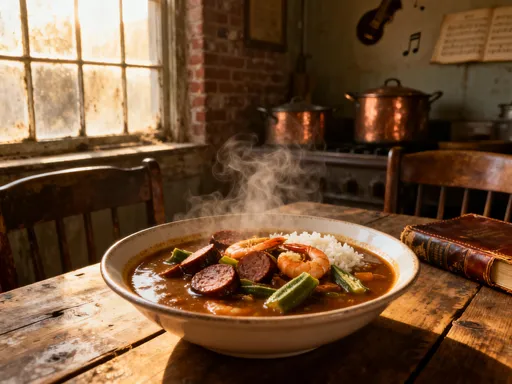
Cajun food, by contrast, originated in rural south Louisiana, developed by Acadian exiles — French settlers expelled from Canada in the 18th century who settled in the bayous and prairies. Their cooking was born of necessity: one-pot meals, smoked meats, and whatever game or seafood could be hunted or caught. Gumbos, jambalayas, and boudin are staples of this tradition, often spicier, heartier, and more rustic than their Creole counterparts. While Creole cuisine might use tomatoes, cream, and butter, Cajun cooking relies on the holy trinity — onions, bell peppers, and celery — and a deeply browned roux as its foundation.
Today, both traditions thrive in New Orleans, often side by side. At historic restaurants in the Garden District, you’ll find Creole chefs preparing turtle soup with sherry and thyme, following recipes passed down since the 1800s. Meanwhile, in neighborhood joints just blocks away, Cajun cooks stir massive kettles of crawfish étouffée, their hands moving with generations of instinct. The coexistence of these two styles is a testament to the city’s ability to honor diversity within unity. To understand New Orleans food is to understand that its richness comes not from uniformity, but from the harmony of many voices.
Breakfast Like a Local: Where Mornings Start with Grits and Gravy
In New Orleans, mornings don’t begin with silence — they start with sizzling skillets and the rich, nutty aroma of coffee steeped with chicory. While tourists might rush to café au lait and beignets at famous patisseries, locals often begin their day in neighborhood diners where grits are stone-ground, gravy is made from scratch, and the cook knows your order before you sit down. These are not places of polished décor or curated menus, but of authenticity, where the rhythm of the kitchen mirrors the heartbeat of the community.
One of the most beloved breakfast dishes is shrimp and grits — a deceptively simple plate that speaks volumes about the region’s culinary soul. Fresh Gulf shrimp, sautéed with garlic, green onions, and a splash of hot sauce, rest atop a bowl of creamy, buttery grits. Some versions include a Creole tomato sauce or a touch of bacon for depth. It’s a dish that bridges the gap between humble comfort and refined flavor, much like New Orleans itself. Equally iconic are smothered biscuits — flaky buttermilk biscuits buried under a rich, onion-laden gravy, often served with scrambled eggs or fried catfish.
Coffee is more than a beverage here — it’s a ritual. The local preference for chicory-blended coffee dates back to the Civil War, when coffee shortages led residents to mix ground chicory root with their beans to stretch supplies. The result? A darker, earthier brew with a slightly bitter edge that cuts through the sweetness of beignets. Today, brands like French Market Coffee and Community Coffee remain household staples, and nearly every corner store sells cans of the dark, fragrant blend. To drink chicory coffee in New Orleans is to taste history — one sip at a time.
Lunchtime Adventures: Po'boys, Muffulettas, and Market Culture
If breakfast is a quiet ritual, lunch in New Orleans is a full-throated celebration. The city’s sandwich culture is legendary, and the po'boy stands as its most iconic contribution. Traditionally made on French bread — crispy on the outside, pillowy within — a true po'boy is generously filled with fried seafood like oysters, shrimp, or catfish, or dressed with roast beef and gravy. The name, folklore says, originated during a 1929 streetcar strike when a local shop offered free sandwiches to “poor boys” — a gesture of solidarity that stuck in the city’s lexicon.
Every neighborhood has its favorite po'boy spot, from hole-in-the-wall shacks to century-old institutions. At these counters, the bread is never toasted — it’s meant to absorb the juices of the filling, creating a messy, glorious union of texture and taste. Toppings are simple: shredded lettuce, tomatoes, pickles, and a swipe of mayonnaise. Hot sauce is always within reach. To eat a po'boy is to embrace imperfection — it’s likely to drip, to fall apart, to leave your fingers greasy. And that’s exactly the point.
Equally revered is the muffuletta, a towering cold cut sandwich born at Central Grocery in the French Quarter. Layers of Italian meats — salami, ham, mortadella — are stacked with Swiss and provolone cheeses and crowned with a signature olive salad, a pungent mix of chopped green and black olives, celery, garlic, and giardiniera. The result is bold, briny, and deeply satisfying. Though Central Grocery remains the most famous purveyor, many locals argue that the best muffulettas come from lesser-known delis in Mid-City or the Irish Channel, where the bread is fresher and the olive salad spicier.
These lunch spots are more than eateries — they’re community hubs. Men in work boots line up beside office workers in blazers. Conversations flow as freely as iced tea. Orders are called out by nickname. In a world increasingly dominated by chain restaurants and digital menus, these places remain refreshingly analog — where food is made by hand, served with pride, and eaten with gratitude.
Dinner with History: Dining in Old-Line Creole Restaurants
As the sun dips below the Mississippi, New Orleans transforms once more — this time into a city of candlelit tables, white linen, and dishes that read like poetry. Historic Creole restaurants such as Commander’s Palace, Galatoire’s, and Arnaud’s offer more than fine dining; they offer continuity. These are institutions where recipes have been guarded for generations, where jazz trios play during dinner service, and where waiters in bow ties move with the grace of seasoned performers.
At these tables, you’ll encounter dishes that have defined Creole cuisine for over a century. Oysters Rockefeller — baked oysters topped with a rich blend of herbs, butter, and breadcrumbs — was invented at Antoine’s in 1889 and remains a masterpiece of indulgence. Turtle soup, a velvety bisque made with actual snapping turtle (or sometimes a substitute today), is served with a splash of sherry and a side of reverence. And no meal is complete without bread pudding — not the dry, stodgy version found elsewhere, but a moist, custardy dessert drenched in bourbon sauce and often lit tableside in a dramatic flame.
What makes these restaurants special isn’t just their food, but their endurance. Many have survived hurricanes, economic downturns, and generational shifts, sustained by families who view their kitchens as sacred spaces. At Galatoire’s, Friday lunch is still a social event where regulars dress formally and gather for hours. At Commander’s Palace, the tradition of 25-cent martinis during lunch persists, a quirky nod to Southern hospitality and a love for celebration.
Dining here feels like stepping into a living museum — one where the exhibits are edible and the curators are cooks. These restaurants remind us that cuisine is not just about taste, but about memory, identity, and the courage to preserve what matters. In a fast-changing world, they stand as anchors — elegant, resilient, and deeply rooted.
Off the Beaten Path: Hidden Gems Only Locals Know
Beyond the neon signs and tourist maps lie the true heart of New Orleans’ food culture — the unassuming neighborhood joints known only by word of mouth. In Treme, one of the city’s oldest African American communities, a corner store might serve the best fried chicken livers in the state, crispy outside and tender within, served with a side of hot sauce and a smile. In Mid-City, a family-run café tucked behind a gas station offers stuffed artichokes — each leaf painstakingly filled with seasoned breadcrumbs and herbs — a dish so labor-intensive it feels like a gift.
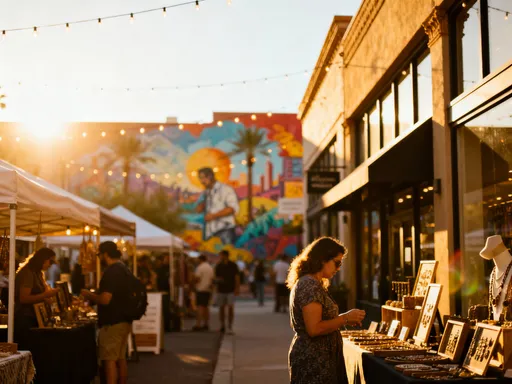
The Bywater, with its colorful murals and bohemian vibe, hides gems like backyard bistros where Sunday brunch means red beans and rice cooked for eight hours, served with cornbread and live jazz. These places don’t advertise. They don’t have websites. You find them by following the scent of roasting meat or by asking the right person at the right time. And when you do, you’re rewarded not just with food, but with belonging.
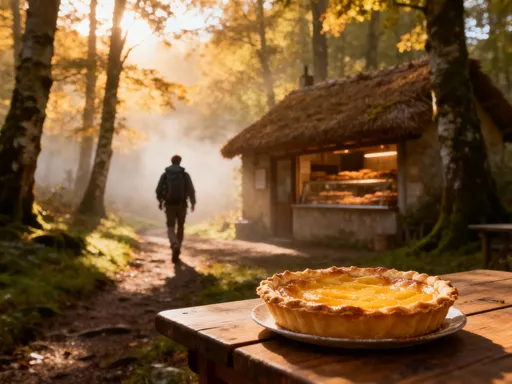
One such spot, a no-frills diner in the Seventh Ward, serves Creole cream pie — a custard-like dessert made with buttermilk, vanilla, and a hint of lemon, chilled until thick and served in a flaky crust. It’s not flashy, but it’s unforgettable — a taste of domestic tradition, of grandmothers’ refrigerators, of slow weekends and family gatherings. These dishes aren’t designed for Instagram. They’re made for memory.
These hidden kitchens are vital to cultural preservation. They keep alive recipes that might otherwise be lost, flavors that don’t fit into modern trends but carry the weight of history. They operate on trust, loyalty, and love — not venture capital or branding. In a city where tourism drives much of the economy, these places remind us that authenticity isn’t a marketing strategy. It’s a way of life.
Beyond the Plate: How Food Fuels Music, Festivals, and Identity
In New Orleans, food doesn’t exist in isolation — it’s part of a larger cultural symphony that includes music, dance, and celebration. Jazz brunches are a weekend ritual, where families gather at courtyard restaurants to eat eggs Sardou while a brass band plays “When the Saints Go Marching In.” Second-line parades — joyous processions led by a brass band and followed by dancing crowds — are fueled by sno-balls, boiled peanuts, and paper plates of jambalaya passed from hand to hand.
Mardi Gras, the city’s most famous festival, is as much a culinary event as a visual one. Families spend weeks preparing king cake, a braided pastry dyed in purple, green, and gold, with a tiny plastic baby hidden inside. Whoever finds the baby in their slice is said to host the next party — a tradition that keeps the celebration going until Lent. Gumbo pots bubble for days, and tables groan under the weight of fried chicken, potato salad, and hot rolls. These feasts are more than indulgence — they’re acts of community, of shared labor, of love made visible.
Even everyday moments are elevated by food. A corner store might host an impromptu cookout on a Friday evening. A church basement might serve red beans and rice every Monday — a tradition born from the need to clean cast-iron pots after Sunday’s heavy meal. These rituals bind people together, creating a sense of continuity and care. In a city that has faced hurricanes, floods, and economic hardship, food has remained a constant — a source of comfort, pride, and resilience.
Looking ahead, there’s growing awareness about preserving this heritage. Young chefs are training with elders, learning how to make a proper roux or smoke a ham the traditional way. Farmers’ markets celebrate local produce, from Creole tomatoes to satsumas. And community kitchens teach children how to cook, ensuring that the next generation carries the torch. The future of New Orleans’ food culture isn’t guaranteed — it must be nurtured, protected, and passed on.
New Orleans’ cuisine is not just something to consume — it’s a living tradition, a chorus of voices from generations past and present. To eat here is to belong, even if just for a meal. The true magic isn’t in the spices or the recipes — it’s in the people who keep the fire burning. Whether it’s a grandmother stirring gumbo at dawn, a fisherman unloading the morning’s catch, or a teenager learning to fold a beignet, the spirit of the city lives in their hands. And when you sit down to share their food, you’re not just tasting flavor. You’re tasting home.