How Tiny Home Tweaks Transformed My Energy and Health
You wouldn’t think changing a lightbulb or opening a window could change your life—but honestly, it kind of did. For years, I felt sluggish, unfocused, and low on energy, blaming it on stress or aging. Then I started looking not at my diet or exercise, but at my environment. What I discovered surprised me: small, practical upgrades to my living space didn’t just make my home nicer—they made my body feel stronger, sharper, and more balanced. It wasn’t a dramatic overhaul, just thoughtful, manageable changes. And over time, those tiny shifts added up to something profound: a renewed sense of vitality, deeper sleep, and mental clarity I hadn’t felt in years. This is the story of how my home became my health partner.
The Wake-Up Call: When My Body Said “Enough”
It started with fatigue—deep, unrelenting exhaustion that coffee couldn’t fix. Mornings felt like climbing a hill. Even after eight hours of sleep, I woke up groggy, as if my body hadn’t truly rested. Concentration slipped. Simple tasks took twice as long. I’d forget names, misplace keys, and feel overwhelmed by decisions as small as what to make for dinner. At first, I chalked it up to being busy. Life with children, work, and household responsibilities was demanding. But the tiredness didn’t lift. It settled in, like a constant hum beneath everything I did.
Then came the headaches—mild at first, then more frequent. My skin felt dull. My digestion was off. I wasn’t sick, not exactly, but I wasn’t well, either. I visited my doctor, who ran blood tests. Everything came back normal. No anemia, no thyroid issues, no vitamin deficiencies. “It might be stress,” she said gently. “Or just part of aging.” But I wasn’t ready to accept that. I was in my forties, active, eating fairly well. Why did I feel decades older?
That’s when I began to wonder: what if the problem wasn’t inside me, but around me? What if my environment—the air I breathed, the light I lived under, the noise I absorbed—was silently draining my energy? I started reading about environmental health, not as a trend, but as science. What I found was compelling: our homes are not neutral spaces. They interact with our biology every minute of every day. Dust, chemicals, artificial light, clutter—these aren’t just annoyances. They are inputs, like food or exercise, that shape how we feel. That realization was my turning point. Instead of pushing harder, I decided to change my space.
Air Quality: Why What You Breathe Matters More Than You Think
Most people assume outdoor air is the main concern when it comes to pollution. But research shows that indoor air can be two to five times more polluted than outside air, according to the U.S. Environmental Protection Agency. We spend about 90% of our time indoors, often in sealed environments with limited ventilation. That means we’re constantly breathing in dust mites, pet dander, mold spores, and volatile organic compounds (VOCs) released from furniture, carpets, cleaning supplies, and even paint. These invisible particles don’t just irritate the lungs—they affect the entire body.
When the air is polluted, the body works harder to oxygenate tissues. Inflammation increases. The immune system stays on low-grade alert, which over time can contribute to fatigue and brain fog. Poor air quality has also been linked to difficulty concentrating and disrupted sleep. I didn’t realize how much this was affecting me until I made one simple change: I started opening windows every morning, even in winter, for at least ten minutes. This small act, called “cross-ventilation,” allows stale indoor air to escape and fresh air to circulate. It’s free, immediate, and effective.
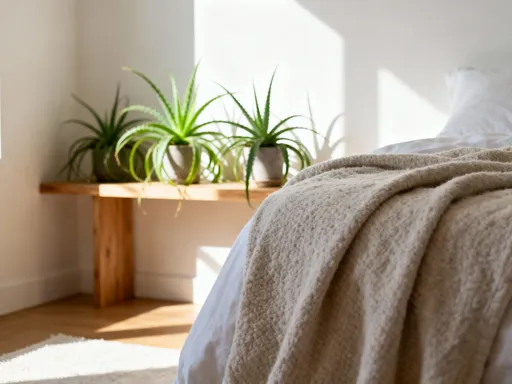
Next, I brought in houseplants known for their air-purifying qualities—peace lilies, spider plants, and snake plants. NASA’s Clean Air Study found that certain plants can help remove toxins like benzene and formaldehyde from the air. While they won’t replace mechanical filtration, they add a natural layer of support. I also invested in a HEPA air purifier for the bedroom. These filters capture particles as small as 0.3 microns, including allergens and fine dust. Within weeks, I noticed I was breathing more easily. My nighttime coughing stopped. Mornings felt lighter. My body wasn’t fighting invisible invaders anymore.
The key is consistency. Air quality isn’t a one-time fix. Regular dusting with a damp cloth, washing bedding weekly, and avoiding synthetic air fresheners are all part of maintaining clean indoor air. I also switched to natural cleaning products—vinegar, baking soda, and castile soap—because many commercial cleaners release VOCs when used. These changes didn’t require a lifestyle overhaul, but they made a measurable difference in how I felt.
Lighting That Works With Your Body, Not Against It
Light is more than illumination—it’s a biological signal. Our bodies run on circadian rhythms, internal clocks regulated largely by light exposure. When these rhythms are disrupted, so are sleep, hormone production, and energy levels. Most homes are lit with cool, blue-toned LEDs or fluorescents, especially in kitchens and workspaces. While bright light is helpful during the day, exposure to blue-rich light in the evening suppresses melatonin, the hormone that prepares us for sleep.
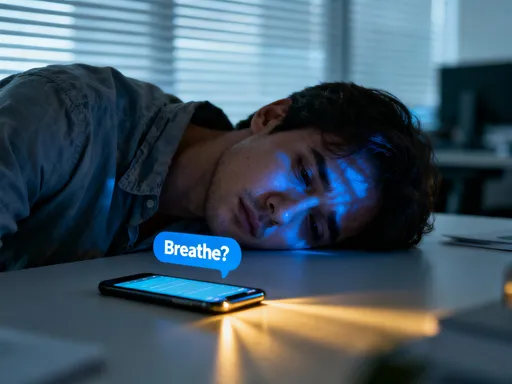
I began to notice how restless I felt at night. I’d sit on the couch, scrolling on my phone under harsh overhead lights, and wonder why I couldn’t wind down. My body was getting mixed messages: it was dark outside, but my environment was telling it to stay alert. I decided to reevaluate my lighting. During the day, I made it a habit to spend at least 15–30 minutes near a window, ideally in the morning. Natural daylight, especially in the first half of the day, helps reset the circadian clock and boosts alertness.
In the evening, I replaced cool-white bulbs with warm-white ones (2700K or lower) in lamps and bedside lights. I also installed dimmer switches in the living room and bedroom. Lowering the light intensity signals the brain that it’s time to relax. I started using salt lamps and candles in the evenings—not just for ambiance, but for their gentle, warm glow. I also limited screen time after 8 p.m. and used blue light filters on my devices when necessary.
The results were subtle but significant. I began to feel sleepy at a more natural hour. I stopped relying on sleep aids. My sleep became deeper and more restorative. During the day, I felt more focused and less prone to afternoon slumps. Lighting, I realized, wasn’t just about visibility—it was about harmony with my body’s natural cycles.
Decluttering: The Physical and Mental Payoff of Space
Clutter is more than a cleaning challenge—it’s a stressor. Studies have shown that disorganized environments increase cortisol, the stress hormone. Visual clutter competes for attention, creating what psychologists call “attentional fatigue.” When your eyes constantly scan a messy room, your brain works harder to process information, leaving less energy for focus and decision-making. I used to think clutter was just a reflection of being busy. But I began to see it differently: every pile of mail, every stack of clothes, every crowded shelf was a tiny drain on my mental reserves.
I didn’t try to declutter my entire house overnight. Instead, I started with one drawer—a junk drawer in the kitchen. I emptied it, sorted items into keep, donate, and discard piles, and wiped it clean. The act felt surprisingly satisfying. Then I moved to a closet, then a shelf. I adopted the “one in, one out” rule: for every new item brought into the house, one old item had to go. I also set a timer for 10 minutes a day to tidy one small area. Progress was slow, but consistent.
As physical space opened up, so did mental space. I noticed I felt calmer walking into rooms. I spent less time searching for things. My mind felt less crowded, too—less anxious, more at ease. There’s a concept called “visual rest,” where uncluttered spaces allow the brain to relax. I began to appreciate the peace of open countertops, empty hangers in the closet, and clear surfaces. I didn’t aim for perfection—just enough order to reduce the noise.
Decluttering also changed how I consumed. I became more mindful about what I brought into my home. I asked myself: Do I really need this? Will it add value, or just take up space? This shift wasn’t about minimalism for its own sake, but about creating a living environment that supported well-being. Less clutter meant less decision fatigue, less cleaning, and more room—both literally and mentally—for what mattered.
Soundscapes: How Noise Pollution Sneaks Into Your Nervous System
Silence is rare in modern life. Even at home, we’re surrounded by constant background noise—refrigerators humming, traffic outside, neighbors, electronic devices buzzing. This low-level noise, often ignored, has a cumulative effect. Chronic exposure to noise pollution has been linked to elevated cortisol levels, increased heart rate, and disrupted sleep. The nervous system never fully relaxes, staying in a state of low-grade alertness. Over time, this contributes to fatigue, irritability, and difficulty concentrating.
I didn’t realize how much noise was affecting me until I spent a weekend in a quiet cabin in the woods. The absence of constant sound was striking. I slept deeply. I felt calm. When I returned home, the usual household noises felt jarring. That’s when I decided to take control of my sound environment. I started by identifying the biggest sources of noise in my home. The upstairs neighbor’s footsteps, the hum of the HVAC system, the beep of the microwave—all small, but collectively draining.
I made simple changes. I added thick rugs and curtains, which absorb sound and reduce echo. I used white noise machines in the bedroom, especially helpful for masking sudden noises that could interrupt sleep. I created quiet zones—no devices, no loud conversations—especially in the evening. I also began using noise-canceling headphones during work hours, not to listen to music, but to create a bubble of calm.
The impact on sleep was immediate. I entered deeper stages of sleep more easily and woke up feeling more refreshed. My focus improved during the day. I felt less reactive, less on edge. I realized that peace isn’t just the absence of conflict—it’s the presence of quiet. By managing sound, I gave my nervous system a chance to rest, and that rest translated into more energy and emotional resilience.
Materials Matter: Touching the Truth About Toxins in Your Home
We don’t just breathe in our environment—we absorb it through our skin and ingest it through dust and food. Many common household materials contain chemicals that can disrupt hormones, weaken immunity, and affect long-term health. Plastics, synthetic fabrics, non-stick cookware, and conventional cleaning products often contain endocrine disruptors like phthalates, BPA, and parabens. These chemicals mimic hormones in the body, interfering with thyroid function, metabolism, and reproductive health—even at low levels of exposure.
I began to look at my home with new eyes. The plastic food containers, the vinyl shower curtain, the scented laundry detergent—these weren’t just conveniences. They were sources of chemical exposure. I didn’t make all the changes at once, but I started with swaps that were easy and affordable. I replaced plastic food storage with glass containers. I switched to cast iron and stainless steel cookware instead of non-stick pans. I chose natural fiber bedding—cotton, linen, wool—over synthetic blends.
In the bathroom, I moved to bar soaps and shampoos with simple ingredient lists. I avoided products with “fragrance” listed, as this term often hides dozens of undisclosed chemicals. I made my own cleaning solutions using vinegar, baking soda, and essential oils like lemon and tea tree. These changes reduced my exposure to synthetic chemicals without sacrificing cleanliness or comfort.
The benefits were subtle but real. My skin became less dry and itchy. I noticed fewer unexplained headaches. My energy levels stabilized. I wasn’t chasing a “toxin-free” lifestyle—just making informed choices that reduced unnecessary chemical burden. Over time, my home became a safer, cleaner space, not just for me, but for my family too.
Making It Stick: Small Changes, Big Long-Term Gains
The biggest lesson I learned was this: transformation doesn’t require perfection. It requires consistency. I didn’t renovate my home. I didn’t buy expensive gadgets or follow a rigid protocol. I made small, intentional changes, one at a time, and allowed them to become habits. I used habit stacking—pairing a new behavior with an existing one. For example, I opened the windows right after I made my morning coffee. I turned off overhead lights and switched to lamps as soon as I sat down for dinner.
I also began tracking how I felt, not with numbers, but with awareness. I noticed when I breathed more easily, when my thoughts felt clearer, when I woke up without an alarm. These small victories reinforced the changes. I didn’t need dramatic results to know it was working. The shifts were cumulative—like interest compounding over time.
Sustainability was key. I avoided all-or-nothing thinking. If I didn’t declutter one day, I didn’t give up. If I used a plastic bag once, it wasn’t a failure. Progress, not perfection, was the goal. I shared what I was learning with my family, and slowly, they adopted some changes too. We began to see our home not just as a place to live, but as a foundation for health.
What started as a search for more energy became a deeper understanding of self-care. It wasn’t just about eating well or exercising—though those are important. It was about creating a living environment that supported the body’s natural ability to heal, rest, and thrive. Health isn’t something we achieve only at the gym or the doctor’s office. It’s something we build, day by day, in the spaces we inhabit.
Today, my home feels different. It’s not flawless, but it’s aligned. The air is fresh, the light is warm, the space is calm, the sounds are gentle, and the materials are safe. And so am I—more awake, more present, more alive. These tiny tweaks didn’t just transform my home. They transformed my health. And they can do the same for anyone willing to start small, pay attention, and honor the connection between space and well-being.