Glow From Within: My Real Food Journey to Clearer Skin
Ever wondered why your skin still breaks out no matter what products you try? I did too—until I realized the real game-changer wasn’t in my skincare routine, but on my plate. What I ate started showing up on my face, for better or worse. This isn’t about miracle cures or extreme diets—it’s about simple, science-backed food choices that actually support healthy, glowing skin from the inside out. Let me walk you through what worked for me.
The Skin-Food Connection: Why What You Eat Shows on Your Face
Skin is more than just a surface—it’s a living, breathing organ that responds to what’s happening inside the body. While many people treat breakouts, redness, or dullness with topical creams and serums, the root cause may lie deeper. Research increasingly shows that diet plays a significant role in skin health, influencing inflammation, hormone balance, and even the gut microbiome—all of which directly affect how your skin looks and feels.
One of the most powerful links between food and skin is inflammation. When you eat highly processed foods, excess sugar, or unhealthy fats, your body can respond with low-grade, chronic inflammation. This internal state may not always cause pain or fever, but it can manifest visibly—through acne, rosacea, or premature aging. Inflammation triggers the release of certain molecules that damage collagen and irritate skin cells, leading to puffiness, uneven tone, and clogged pores.
Equally important is the gut-skin axis, a bidirectional communication system between your digestive tract and your skin. A healthy gut helps regulate immune function and reduce systemic inflammation. But when the gut microbiome is out of balance—often due to poor diet, stress, or antibiotic use—it can contribute to skin flare-ups. Studies have shown that people with acne or eczema often have different gut bacteria profiles than those with clear skin. This doesn’t mean gut issues cause all skin problems, but they can be a contributing factor.
Hormones also bridge the gap between food and skin. Certain foods, especially those high on the glycemic index, cause rapid spikes in blood sugar and insulin. Elevated insulin levels can increase the production of androgens, hormones that stimulate oil glands in the skin. More oil means a higher chance of clogged pores and breakouts. This is why some people notice their skin worsening after eating sugary snacks, white bread, or other refined carbohydrates.
Real change begins when you stop viewing skin issues as purely cosmetic. They are often signals—your body’s way of saying something is off internally. A woman in her late 30s, for example, may notice more adult acne during stressful periods or after dietary changes. When she reduces her intake of processed foods and adds more vegetables and healthy fats, her skin often begins to stabilize within weeks. These improvements aren’t coincidental—they reflect a deeper physiological shift supported by better nutrition.
Common Culprits: Foods That Sabotage Your Glow (And How to Spot Them)
Not every food affects everyone the same way, but some dietary patterns consistently show up in research as potential triggers for poor skin health. These aren’t about labeling foods as “good” or “bad,” but about understanding how your body responds. The first step is awareness—learning to recognize which foods might be working against your glow.
Refined sugars top the list. Found in everything from sodas and desserts to breakfast cereals and flavored yogurts, added sugars cause rapid increases in blood glucose. This triggers insulin release, which, as mentioned earlier, can stimulate oil production and inflammation. A 2018 review published in the journal Nutrients found a strong association between high-glycemic diets and acne prevalence, especially in adolescents and young adults. But the effect isn’t limited to youth—many adults also report clearer skin after reducing sugar intake.
Dairy is another common suspect. While milk provides calcium and protein, some studies suggest a link between dairy consumption and acne, particularly skim milk. The reason may lie in the natural hormones present in milk, especially from pregnant cows, which can influence human hormone levels. Additionally, dairy can promote inflammation in sensitive individuals. However, not everyone reacts the same way. Some people enjoy cheese and yogurt without any skin issues, while others notice breakouts within days of consuming milk-based products.
Processed carbohydrates—like white bread, pastries, and packaged snacks—are closely related to sugary foods in their impact. These items are stripped of fiber and nutrients, causing quick digestion and blood sugar spikes. Over time, this pattern can disrupt insulin sensitivity and contribute to chronic inflammation, both of which affect skin clarity. Replacing these with whole grains like oats, quinoa, or brown rice can make a noticeable difference in skin texture and tone.
The best way to identify your personal triggers is through observation. Keeping a simple food-skin journal for two to four weeks can reveal patterns you might otherwise miss. Each day, jot down what you eat and how your skin feels—tight, oily, irritated, or calm. Note any breakouts and their location. After a few weeks, look for recurring themes. You might discover that every time you have a late-night ice cream, a pimple appears on your chin a few days later. Or perhaps after a weekend of pizza and beer, your forehead looks duller and more congested.
This process isn’t about restriction—it’s about empowerment. You’re not cutting out foods blindly; you’re making informed choices based on your body’s feedback. If you notice a pattern, try eliminating the suspected food for three to four weeks and observe any changes. Then, reintroduce it carefully to confirm the reaction. This method, known as an elimination diet, is a practical, science-supported way to pinpoint food sensitivities without guesswork.
Skin Superfoods: Nutrients That Actually Support Radiance
If certain foods can harm your skin, others can actively support it. These are the nutrients that help build strong skin structure, fight damage from environmental stressors, and promote a natural glow. The good news? They’re found in everyday whole foods—no exotic supplements or expensive powders required.
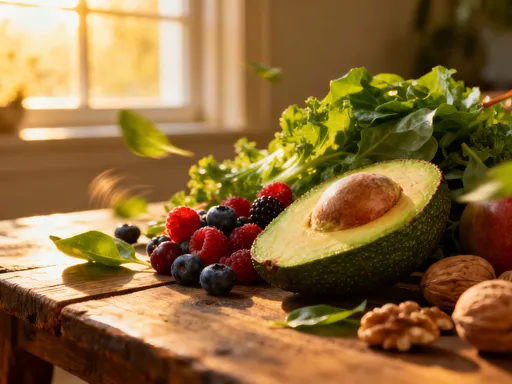
Antioxidants are among the most important allies for skin health. They neutralize free radicals—unstable molecules generated by sun exposure, pollution, and even normal metabolism—that damage skin cells and accelerate aging. Vitamin C is a standout antioxidant that also plays a crucial role in collagen synthesis. Collagen is the protein that keeps skin firm and elastic. Good food sources include citrus fruits, bell peppers, strawberries, and broccoli. Eating a variety of colorful fruits and vegetables ensures a broad spectrum of protective compounds.
Omega-3 fatty acids are another key player. Found primarily in fatty fish like salmon, mackerel, and sardines, as well as in flaxseeds, chia seeds, and walnuts, omega-3s help maintain the skin’s lipid barrier. This barrier keeps moisture in and irritants out. A strong barrier means fewer dry patches, less sensitivity, and a smoother complexion. Omega-3s also have anti-inflammatory properties, which can help calm conditions like acne and eczema.
Vitamin E works hand-in-hand with vitamin C to protect skin from oxidative damage. It’s a fat-soluble antioxidant that helps stabilize cell membranes. Nuts, seeds, and plant-based oils like sunflower and olive oil are excellent sources. When paired with vitamin C-rich foods, vitamin E becomes even more effective, creating a powerful defense system against environmental damage.
Vitamin A is essential for skin cell turnover—the process by which old, dull cells are replaced with fresh, bright ones. Without adequate vitamin A, this cycle slows down, leading to clogged pores and a rough texture. Sweet potatoes, carrots, spinach, and other orange and dark green vegetables are rich in beta-carotene, a precursor to vitamin A that the body converts as needed. Unlike synthetic supplements, food-based vitamin A is safe and self-regulating—your body only converts what it requires.
Zinc is a mineral that often flies under the radar but plays a vital role in skin healing and immune function. It helps regulate oil production and has been shown in clinical studies to reduce acne severity. Pumpkin seeds, lentils, chickpeas, and lean meats are good dietary sources. Because zinc absorption can be affected by other foods, it’s best consumed as part of a balanced meal rather than on an empty stomach.
The goal isn’t to eat these nutrients in isolation, but to build meals that naturally include them. A lunch of grilled salmon with a side of roasted sweet potatoes and steamed broccoli delivers omega-3s, vitamin A, and antioxidants all in one plate. A smoothie made with spinach, banana, chia seeds, and orange juice offers fiber, vitamins, and healthy fats. These combinations don’t require special planning—just a focus on whole, minimally processed ingredients.
Hydration’s Hidden Role: More Than Just Drinking Water
Everyone knows drinking water is good for the skin, but hydration is about more than just chugging glasses throughout the day. True hydration happens at the cellular level, where water supports detoxification, nutrient transport, and skin elasticity. And while plain water is essential, it’s only one piece of the puzzle.
Water-rich foods play a surprisingly important role. Cucumbers, celery, watermelon, oranges, and strawberries are over 90% water and deliver hydration along with vitamins, minerals, and antioxidants. Because they contain fiber and natural electrolytes, these foods help the body retain water more effectively than drinking water alone. Eating a salad with cucumber and tomato, for example, contributes to your daily fluid needs while also providing skin-supportive nutrients.
Electrolytes—minerals like sodium, potassium, magnesium, and calcium—are crucial for maintaining fluid balance inside and outside cells. When electrolyte levels are off, even if you drink plenty of water, your cells may not absorb it properly. This can lead to dryness, puffiness, or a tired-looking complexion. While sports drinks are one source, they often come with added sugars. A better approach is to consume electrolyte-rich whole foods like bananas (potassium), spinach (magnesium), dairy or fortified plant milks (calcium), and small amounts of sea salt in meals.
Lifestyle habits also influence hydration. Caffeine and alcohol act as diuretics, increasing urine output and potentially leading to dehydration if not balanced with extra water. High-sodium meals can cause temporary water retention, making skin look puffy. Chronic stress affects cortisol levels, which in turn can disrupt fluid regulation. Even sleep matters—during deep rest, the body repairs and rehydrates skin cells. Poor sleep can leave skin looking dull and dehydrated the next day.
The visible signs of good hydration go beyond plumpness. Well-hydrated skin has a natural bounce, feels smooth to the touch, and recovers quickly from pressure. It’s less prone to flakiness and fine lines. While topical moisturizers help, they can’t replace internal hydration. Think of water as the foundation—without it, even the best serums and creams struggle to deliver results.
Aim for consistent hydration throughout the day. Start with a glass of water in the morning, carry a reusable bottle, and include water-rich foods in meals and snacks. Herbal teas like chamomile or rooibos also count toward fluid intake and offer additional antioxidants. The goal isn’t perfection, but steady support for your skin’s natural functions.
Building a Skin-Healthy Plate: Simple, Real-Life Meal Frameworks
Knowing which nutrients help your skin is one thing—putting them together in meals is another. The key is simplicity. You don’t need complicated recipes or strict rules. Instead, focus on building balanced, colorful plates that include a variety of whole foods. Here are practical meal frameworks that support skin health without feeling restrictive.
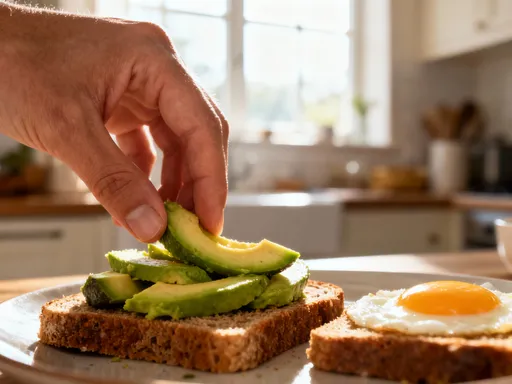
For breakfast, aim for a combination of protein, healthy fats, and fiber. Instead of sugary cereals or pastries, try Greek yogurt with berries and a sprinkle of chia seeds. The yogurt provides protein and probiotics, berries offer antioxidants, and chia seeds deliver omega-3s. Another option is scrambled eggs with spinach and avocado on the side. Eggs contain biotin and selenium, both beneficial for skin, while avocado offers monounsaturated fats that support moisture retention.
Lunch should be satisfying and nutrient-dense. A large salad with mixed greens, grilled chicken or chickpeas, cherry tomatoes, cucumber, and a drizzle of olive oil and lemon juice covers multiple bases. Greens provide vitamins A and K, tomatoes offer lycopene (a powerful antioxidant), and olive oil enhances the absorption of fat-soluble nutrients. Adding a small portion of quinoa or sweet potato adds complex carbohydrates for sustained energy.
Dinner can follow a similar pattern: a source of lean protein, a variety of vegetables, and a healthy starch. Baked salmon with roasted broccoli and brown rice is a skin-friendly classic. The salmon delivers omega-3s, broccoli is rich in vitamin C and sulforaphane (a compound with anti-inflammatory effects), and brown rice provides fiber and B vitamins. If you prefer plant-based meals, a lentil curry with cauliflower and basmati rice offers protein, iron, and a range of protective phytonutrients.
Snacks matter too. Instead of chips or candy, reach for whole foods that support your goals. An apple with almond butter, a handful of walnuts and dried apricots, or carrot sticks with hummus are all smart choices. These combinations balance carbohydrates with protein or fat, preventing blood sugar spikes and keeping energy—and skin—stable.
Here’s a sample day of skin-supportive eating: Start with oatmeal made with almond milk, topped with blueberries and flaxseeds. For lunch, enjoy a quinoa bowl with black beans, corn, avocado, and salsa. Snack on a banana with a few almonds. For dinner, have grilled turkey breast with sautéed kale and roasted sweet potato. End the day with a cup of herbal tea. This kind of eating isn’t about deprivation—it’s about nourishment, variety, and enjoyment.
Mindset & Consistency: Why Quick Fixes Fail and Patience Wins
One of the biggest challenges in improving skin through diet is mindset. Many people expect fast results—clear skin in a week, glowing complexion in ten days. But skin cells take about 28 days to renew, and internal changes take time to become visible. Expecting immediate transformation often leads to frustration and giving up too soon.
Lasting change isn’t about perfection. It’s about consistency. Eating well 80% of the time while allowing flexibility for special occasions is more sustainable than rigid restrictions. A woman who enjoys a slice of birthday cake at her daughter’s party shouldn’t feel guilty. What matters is the overall pattern—what you eat day after day, not the occasional treat.
Progress, not perfection, should be the goal. Notice small wins: your skin feels less tight in the morning, your breakouts are fewer, your makeup applies more smoothly. These subtle shifts are signs that your body is responding. Journaling can help track these improvements, especially when they’re easy to overlook.
Self-awareness is another key. As you pay attention to how food affects your skin, you develop a deeper connection with your body. You begin to recognize how certain meals make you feel—energized or sluggish, clear or congested. This awareness empowers you to make choices that align with your well-being, not just trends or rules.
Be kind to yourself. Skin changes can be emotional, especially if you’ve struggled with acne or sensitivity for years. Celebrate the effort, not just the outcome. Each healthy meal is a step toward better skin and better health. Over time, these small choices add up to real transformation.
When to Seek Help: Knowing the Limits of Diet Alone
Diet is a powerful tool, but it’s not a cure-all. Some skin conditions have genetic, hormonal, or medical roots that require professional treatment. If you’ve made consistent dietary improvements and still struggle with severe acne, persistent rashes, or sudden changes in skin texture, it’s important to consult a dermatologist.
Conditions like rosacea, psoriasis, eczema, and cystic acne often need medical intervention. Topical medications, oral treatments, or specialized therapies may be necessary to manage symptoms effectively. A board-certified dermatologist can provide an accurate diagnosis and create a treatment plan tailored to your needs.
Similarly, if you suspect a food allergy or sensitivity, work with a registered dietitian or healthcare provider. They can help you conduct a proper elimination diet, interpret results, and ensure you’re meeting your nutritional needs. Self-diagnosing and cutting out entire food groups without guidance can lead to nutrient deficiencies and unnecessary stress.
Remember, food and medicine are not mutually exclusive. You can follow a skin-supportive diet while also using prescribed treatments. In fact, good nutrition may enhance the effectiveness of medical therapies by reducing inflammation and supporting overall health.
The goal is balance—using diet as a foundation, not a replacement. When you combine informed eating with professional care, you give your skin the best possible support. This approach is not only safer but more likely to lead to lasting results.